 Bluebird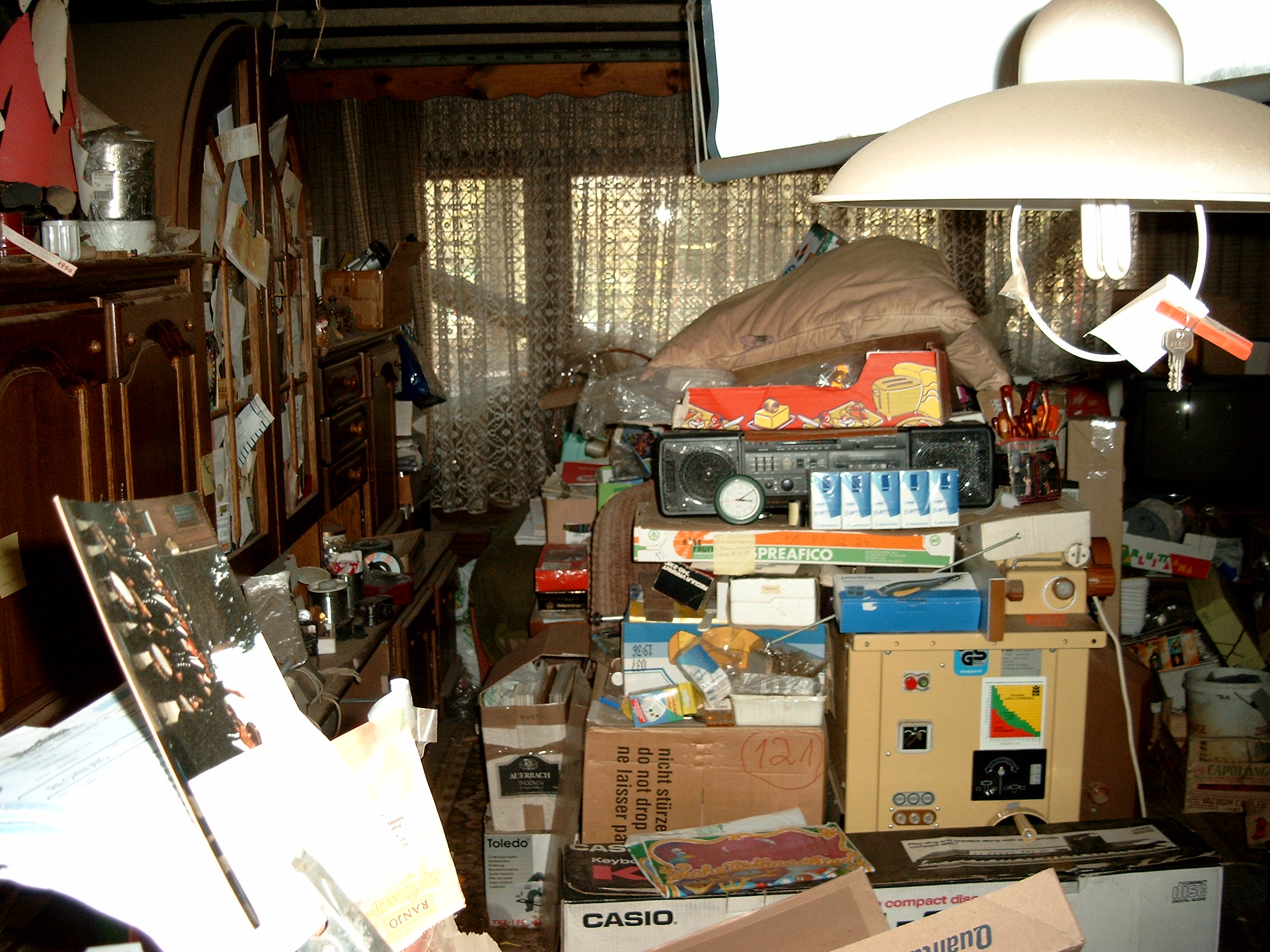
How Hoarding Situations Affect a Home Sale
Selling a home after a hoarding situation — whether it's an inherited property or your own — comes with a specific problem that other distressed sales don't have: nobody can actually see the condition of the house. Not the seller, not the inspector, not the appraiser, and definitely not a buyer walking through for fifteen minutes. That's exactly why these homes tend to end up selling a different way than a typical listing.
- Standard home inspections only cover visually accessible areas — inspectors aren't required to move belongings, so severely cluttered homes often can't be properly inspected at all.
- Accumulated contents can place significant extra structural load on floors and framing, and real damage is often hidden underneath until a cleanout begins.
- An incomplete inspection and appraisal make standard mortgage financing difficult, which is why hoarded homes usually sell to cash buyers rather than traditional buyers.
- Cleanout costs vary enormously by severity — from around a thousand dollars for a lighter job to well into five figures for a severe, biohazard-level cleanout.
Why Inspectors and Appraisers Can't Do Their Job
A standard home inspection is a visual examination of readily accessible areas — inspectors are explicitly not required to move furniture, stored items, or debris to examine what's underneath or behind it. In a severely cluttered home, that means large parts of the house — floors, walls, systems, sometimes entire rooms — simply can't be evaluated, and a thorough inspection report will say exactly that: not inspected, access blocked. The same problem hits the appraisal. An appraiser who can't verify the condition of the structure can't responsibly sign off on it, and significant unresolved safety or structural concerns can make a property ineligible for standard financing altogether.
What's Often Hiding Underneath
The clutter itself is rarely the only problem — it's what accumulates because of it. Stacked belongings can place substantially more weight on floors and framing than they were built for, and code compliance professionals who deal with these properties regularly report sagging floors, cracked framing members, and in severe cases genuine structural strain from the sustained load. Beyond the structural risk, prolonged clutter commonly hides pest activity, water leaks, and mold — problems that usually aren't discovered until a cleanout is already underway.
Why the Buyer Pool Narrows
Put those two things together — an inspection that can't confirm the condition, and financing that generally requires a home to meet baseline safety and habitability standards — and it's clear why hoarded homes struggle in a conventional listing. A traditional buyer relying on a mortgage often can't get one approved on a property nobody can fully evaluate. That's why these homes so often end up selling directly to cash buyers and investors, who can factor the uncertainty into their offer instead of needing it fully resolved before closing.
What a Cleanout Actually Costs
Cleanout costs scale with severity. Industry cost data suggests lighter jobs commonly run somewhere in the range of a thousand to a few thousand dollars, while a severe cleanout — particularly one involving biohazard conditions — can run well into five figures once specialized disposal and remediation are factored in. And a cleanout is often only step one: once belongings are cleared, whatever damage was hidden underneath (structural repairs, pest remediation, mold treatment) becomes its own separate expense, which is why the total cost to bring a severely hoarded home to a traditionally sellable condition can be substantial.
Frequently Asked Questions
Do I need to clean out the house completely before I can sell it?
Not necessarily. A direct, as-is sale to a cash buyer typically doesn't require a cleanout first — the buyer accounts for the contents and unknown condition in the offer itself, which is often the more practical path than fronting a cleanout with an uncertain outcome.
What if I don't know what condition the house is actually in underneath everything?
That's extremely common, especially with an inherited property. Cash buyers who specialize in these situations are generally used to making an offer with that uncertainty priced in, rather than requiring a full evaluation upfront.
Will I get much less for a hoarded home than a typical listing?
Likely less than a comparable move-in-ready home, but the realistic alternative — a full cleanout plus whatever repairs it uncovers, with no guarantee of recovering that cost — often makes an as-is sale the more financially sound choice, not just the more convenient one.
The House Doesn't Need to Be Presentable to Be Sellable
A hoarded home is a genuinely hard property to sell the conventional way — not because it's unsellable, but because conventional selling assumes a house that can be fully seen and evaluated. That's simply not this situation, and it doesn't need to be.
At Bluebird Acquisition, we buy homes exactly as they are, contents and all — no cleanout required before we make an offer, and no judgment about how the house got that way.
📞 Call or text us directly at 217-408-2781
🌐 bluebirdacquisition.com