 Bluebird
Straight answers for sellers under pressure.



Thinking about selling?
Get a no-obligation cash offer — no repairs, no agent fees, close on your timeline.
More Articles

Downsizing as an Empty Nester: When and How to Sell the Family Home
The typical home seller is now 64, a record. How to know when it's time to let go of the family home, and how Florida portability, Stay NJ, STAR and Connecticut's tax relief shape where you go next.

Selling Vacant Land or an Empty Lot: What Buyers Look For
Land that's ready to sell usually does, and most land isn't ready. The questions every land buyer asks, the farmland tax penalty that surprises sellers, and how to protect a vacant lot from fraud.

Selling a Vacation Home at the Jersey Shore or in the Catskills
Second homes don't get the $250K/$500K tax exclusion, and the Shore and the Catskills each add their own rules, from New Jersey's new seller-paid fee to NYC watershed septic limits. What to know before you sell.

How to Sell a Mobile or Manufactured Home
Is it like selling a car or a house? It depends on two questions: do you own the land, and how is the home titled? A state-by-state guide to selling a mobile or manufactured home in FL, NJ, CT and NY.

Transfer Taxes in NY, NJ and CT: Who Pays and How Much?
Since July 2025, New Jersey sellers, not buyers, pay a 1%–3.5% fee on the entire price of $1M+ homes. A state-by-state breakdown of transfer taxes in NY, NJ and CT, plus Florida's deed stamps.

Selling a Stigmatized Property: Do You Have to Disclose a Death in the Home?
No state we serve makes you volunteer that someone died in the home, but the rules change the moment a buyer asks. What FL, NJ, CT and NY require, and why New York's famous 'haunted house' case still matters.

Deed Theft: How Homeowners Get Their Property Stolen and How to Protect Yours
A forged signature and a fake notary stamp are all it takes. How deed theft works, who gets targeted, what FL, NJ, CT and NY are doing about it, and the free five-minute step that protects you best.
Can You Stay in Your Home After Selling? How Rent-Back Agreements Work
Yes, you can stay after closing, usually for up to about 60 days with a financed buyer. How rent-backs are priced, why the paperwork should never be a lease, and why New Jersey is the state where that matters most.

What Happens If Your House Doesn't Appraise for the Sale Price?
A low appraisal doesn't automatically kill your sale. Here are the six ways deals get through an appraisal gap, including the new Reconsideration of Value process and the FHA/VA buyer exit you can't waive.
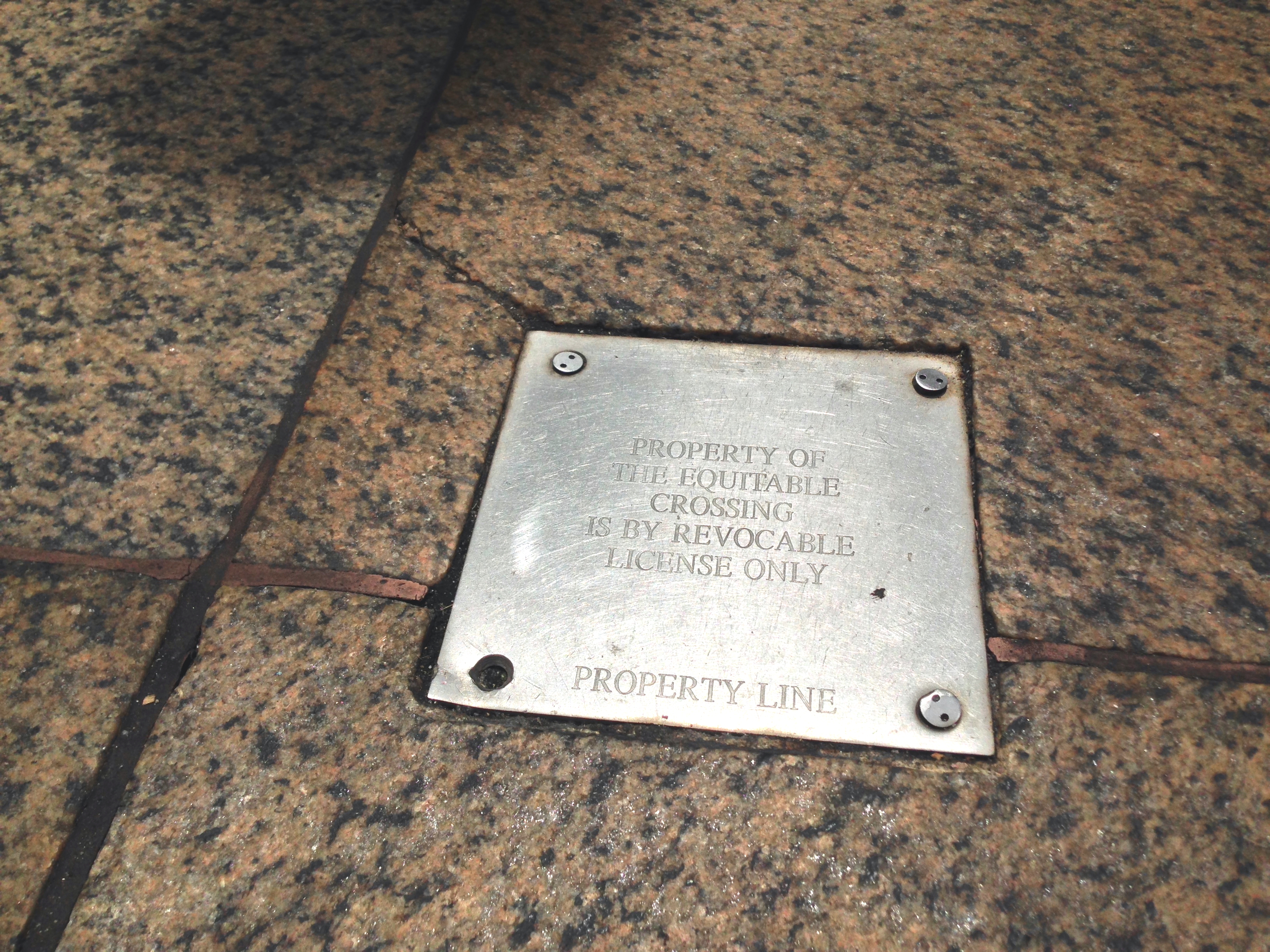
How Easements and Right-of-Ways Affect Your Ability to Sell
Most easements are harmless, but a few can scare off buyers and lenders. Learn which ones matter, how long a neighbor needs to 'earn' one in each state, and how to clean it up before closing.

Why Home Sales Fall Apart Before Closing (and How to Prevent It)
About one in seven pending home sales was canceled each month in early 2026. Where deals actually die in FL, NJ, CT and NY, and what to fix before you list so yours doesn't.

Private Well Problems: Selling a Home With Bad Water in Connecticut
More than 837,000 Connecticut residents drink from private wells, and the state doesn't require a water test to sell. What happens when a buyer's test comes back with arsenic, uranium, radon or bacteria.

Selling a House With a Boundary or Shared Driveway Dispute
Can your neighbor really take your land? The answer is 10 years in New York, 30 in New Jersey, and it comes with big caveats everywhere. How to settle a fence or shared-driveway problem and still sell.

Selling a House After a Burst Pipe or Major Water Damage
Sudden or gradual? That one question decides what insurance pays, and past claims follow the house for seven years. Your options after water damage, including new flood disclosure rules in all four states.

Selling a Home With a Failing Roof: Repair First or Sell As It Stands?
An FHA buyer needs at least two years of roof life, and Florida has roof rules no Northeast state does. Run the repair-versus-sell math before you spend five figures on shingles.

Radon in Your Home: What Sellers in NJ and CT Should Know
Neither New Jersey nor Connecticut makes you test for radon before selling, but both have disclosure rules that catch sellers off guard. What the numbers mean and how to keep a test result from derailing your sale.
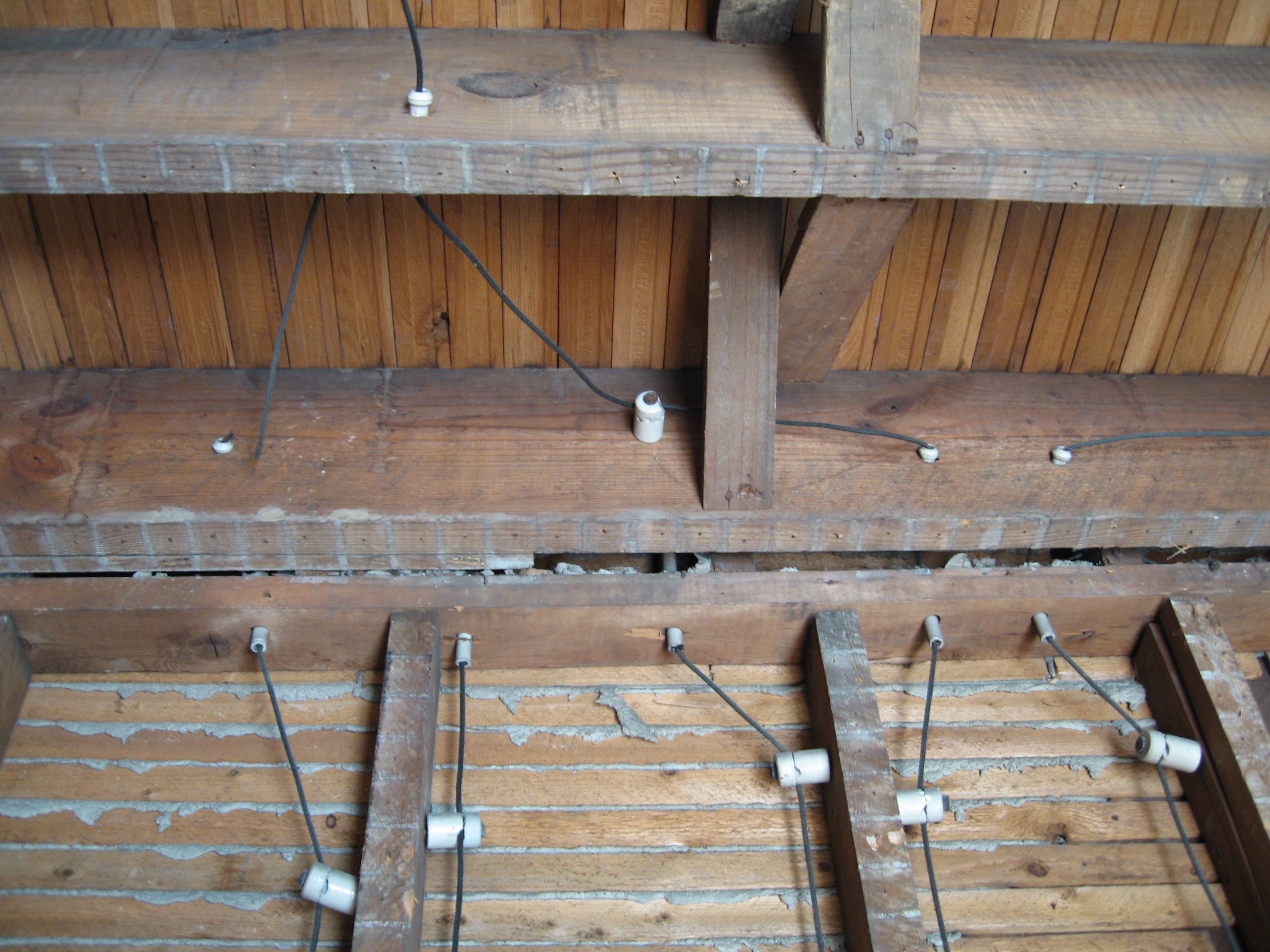
Knob-and-Tube Wiring: Can You Sell an Older Home With Outdated Electrical?
Knob-and-tube wiring isn't illegal anywhere we buy, but it can stop a buyer's insurer cold. Here's why old wiring becomes a financing problem, and the three realistic ways to sell anyway.
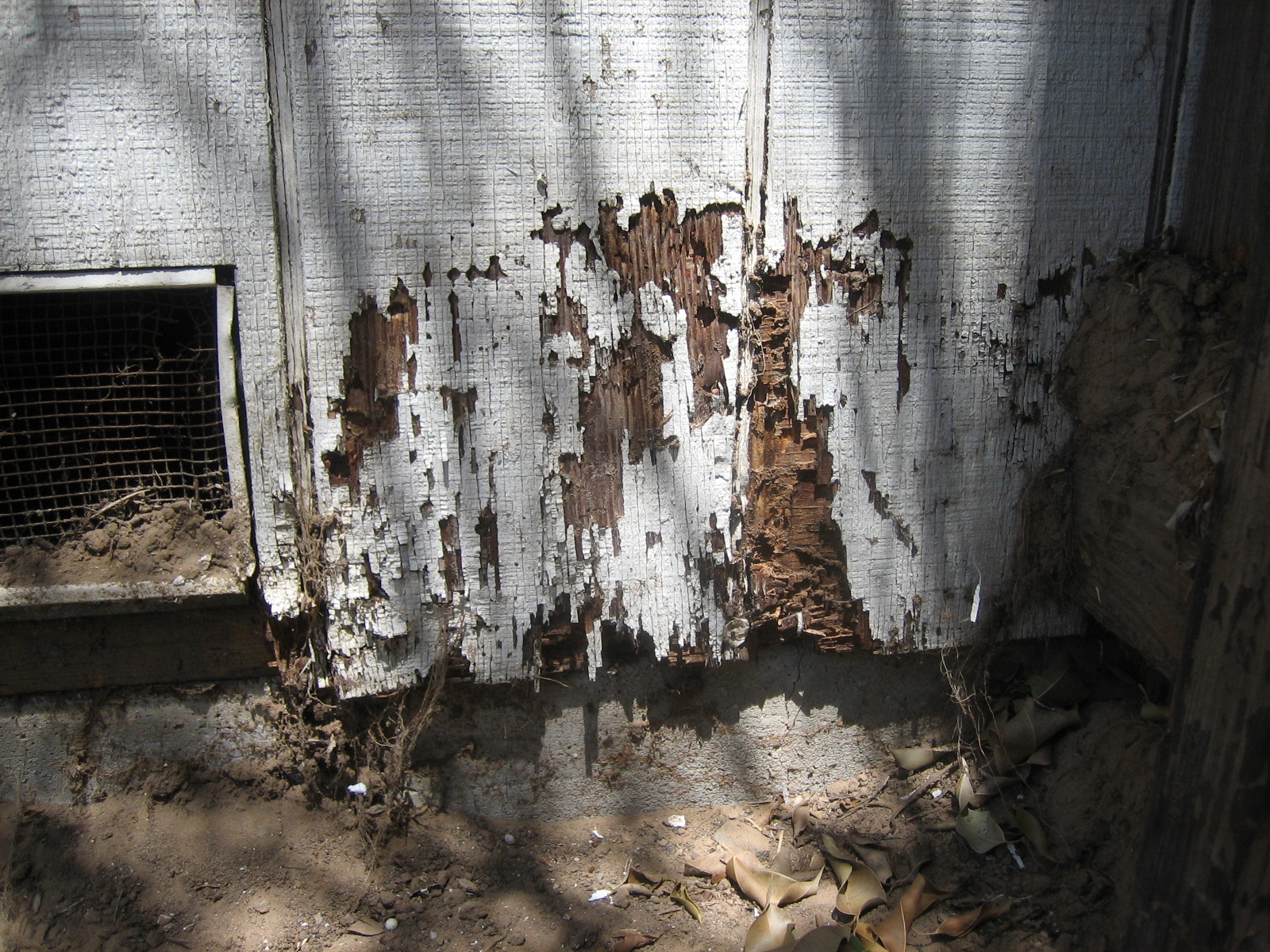
Selling a House With Termite or Pest Damage
Your insurance almost certainly won't pay for termite damage, so what now? Learn what buyers, lenders and each state's disclosure rules expect, and when selling as-is beats treating and repairing first.

Why Cash Buyers Are More Active in Tri-State Markets Right Now
Cash offers carry unusual leverage in today's New York, New Jersey, and Connecticut markets — not because there are simply more cash buyers, but because financed offers carry more real risk than they used to.
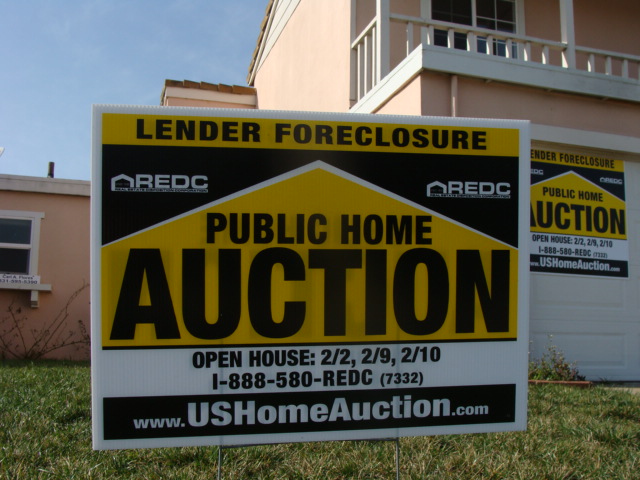
What New York's Foreclosure Timeline Looks Like in 2026
New York foreclosures now average roughly five and a half years to complete — among the longest in the country — and a major 2025 court ruling just made that timeline even more unpredictable.

Connecticut Probate Courts: How They Slow Down Inherited Home Sales
Connecticut's probate process has real statutory deadlines that stretch out an inherited home sale — and its small-estate shortcut doesn't apply if a house is involved.

Why New Jersey Property Taxes Are Forcing Homeowners to Sell
New Jersey has the highest property tax burden in the country — and a growing share of homeowners, especially seniors, say it is a real reason to consider leaving.

How Medicaid Liens Work and What They Mean for Your Property
Medicaid can seek repayment from a home after the recipient's death through estate recovery. Here's how it actually works, the real exceptions, and what it means for heirs.

What Is a Quiet Title Action and When Do You Need One?
A quiet title action is a lawsuit that resolves competing claims to a property once and for all. Here's when you actually need one, and what the process generally looks like.
Can You Sell a House With a Judgment Lien on It?
Yes — a judgment lien is routinely paid off at closing from sale proceeds. Here's how lien priority works, what happens if it exceeds your equity, and why a pending sale can be real leverage.

What Happens to Your Home If You Die Without a Will?
Dying without a will doesn't mean the state takes your house — it means state law decides who inherits it. Here's how intestate succession actually works, and why heirs sometimes can't agree on selling.

How to Handle Real Estate When You're Moving to Assisted Living
Assisted living now averages over $6,000 a month, and Medicaid usually does not cover it. Here is how home equity, the 5-year Medicaid look-back, and power of attorney actually fit together.

Selling a Home After a Job Loss: Your Options Explained
You generally have about four months before a servicer can start foreclosure after a missed payment. Here is every real option in that window, and why acting early matters most.

What to Do With a House When a Spouse Passes Away
Whether probate is required depends entirely on how the home was titled. Here's how to find out, what to do with the mortgage, and the realistic timeline either way.

Selling Your Home During a Divorce: What You Need to Know First
Before you list, find out whether your state allows an automatic restraining order on the marital home, how the mortgage really works after divorce, and your three real options.
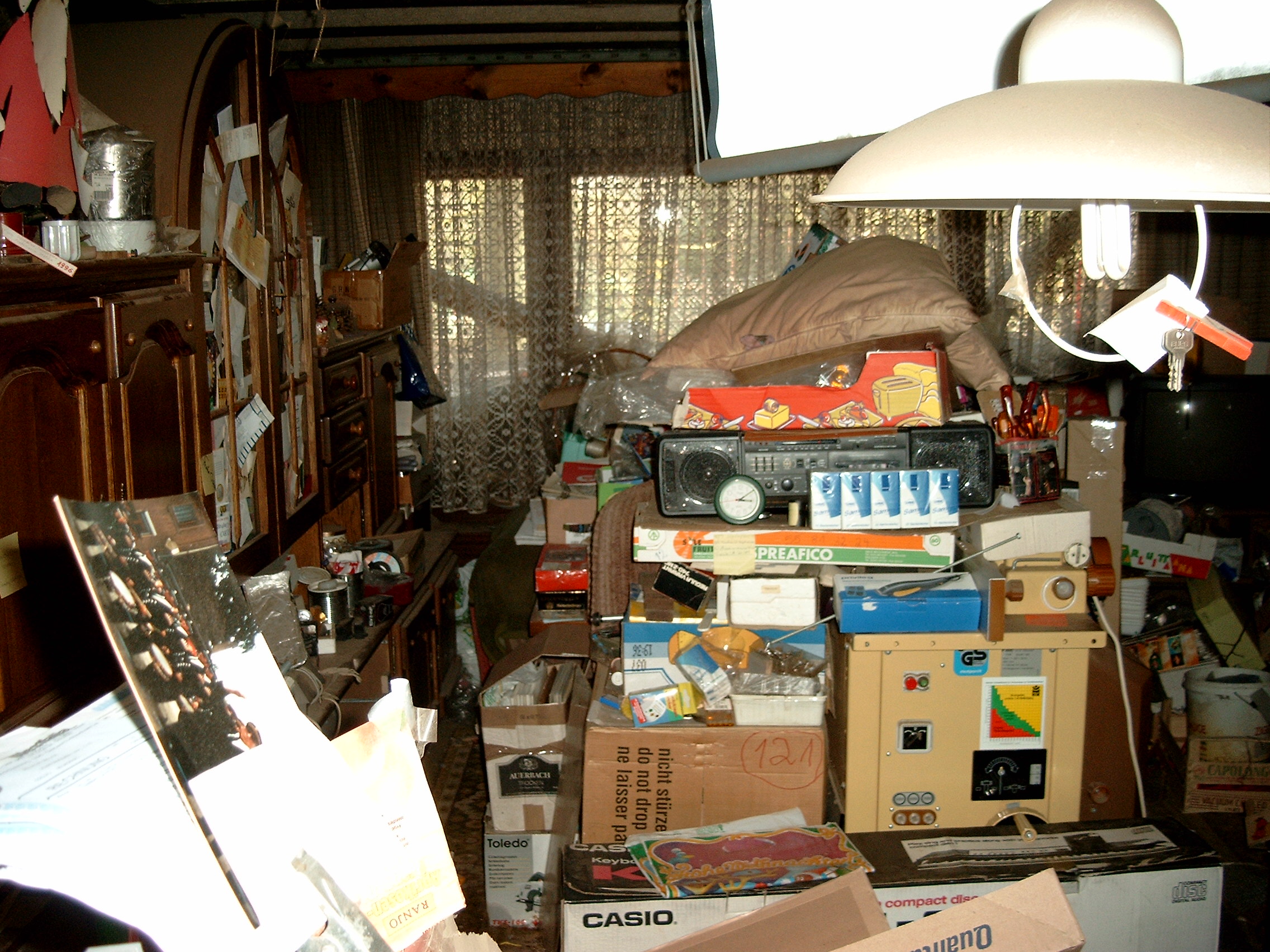
How Hoarding Situations Affect a Home Sale
A hoarded home hides its real condition from inspectors, appraisers, and buyers alike. Here's what that actually costs a sale — and why most of these properties end up selling to cash buyers.

What to Do With a House That Has Unpermitted Work
Unpermitted additions and renovations can shrink your appraised value, complicate a buyer's financing, and expose you to fines. Here are the real options for selling anyway.

Can You Sell a House With Fire Damage As-Is?
Yes — but "as-is" does not remove your duty to disclose fire history, and unrepaired damage rules out most financed buyers. Here is how a fire-damaged sale actually works.

What Sellers Regret Most — And How to Avoid It
84% of first-time sellers wish they had done something differently. The most common regret is the wrong one to fix — and the data shows exactly why.

How to Let Go of a Home That Holds Too Many Memories
Swedish death cleaning, disenfranchised grief, and what downsizing specialists actually recommend for letting go of a home without losing what it meant.

The Emotional Side of Selling a House You've Lived in for Decades
Selling ranks as one of the most stressful life events Americans report — more than getting fired or planning a wedding. Why that hits hardest after decades in one home, and what actually helps.

Why Homeowners Wait Too Long to Sell (And What It Costs Them)
79% of recent sellers say they regret waiting. Here's the real, measurable cost of holding on too long — carrying costs, an insurance gap most owners don't know about, and the price cuts a stale listing invites.

How to Buy Your First Home: A Step-by-Step Guide
From figuring out what you can actually afford to getting the keys — here's exactly what buying your first home looks like, one step at a time.

What to Expect During the Home Closing Process
Closing day sounds intimidating, but it's mostly signatures and wire transfers. Here's exactly what happens between your accepted offer and getting the keys.

How to Start Investing in Real Estate with Little Money
You don't need six figures in savings to get into real estate. Here are the real, practical ways investors actually get started with limited capital.

The Basics of House Flipping: Is It Worth It?
House flipping looks simple on TV — buy low, renovate, sell high. Here's what the real math, timeline, and risk actually look like.

Rental Properties 101: Cash Flow vs. Appreciation
The two ways a rental property makes you money work very differently. Here's how to tell which one you're actually optimizing for.
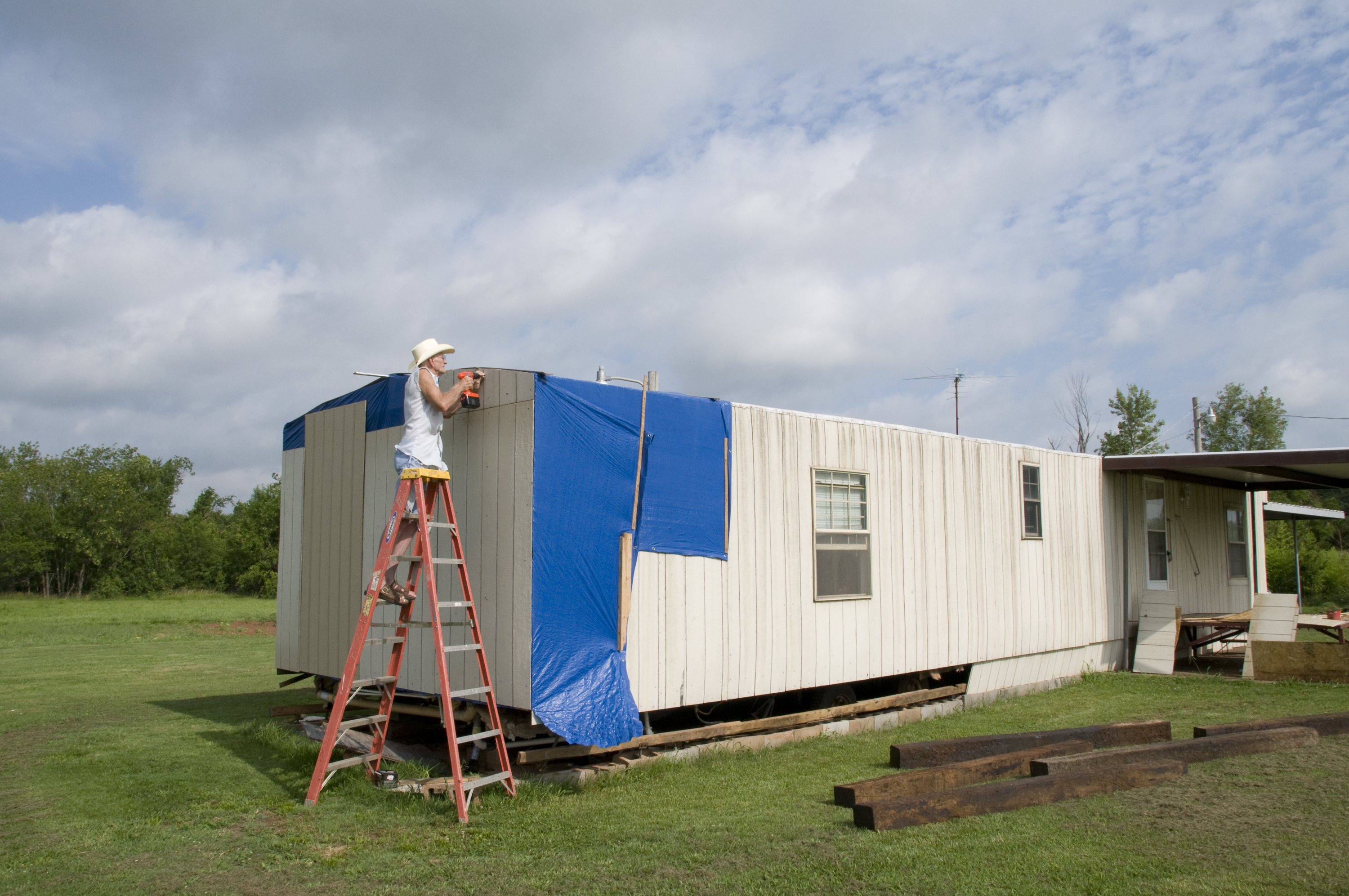
The BRRRR Strategy Explained in Detail
Buy, Rehab, Rent, Refinance, Repeat — the strategy that lets investors recycle the same capital into deal after deal. Here's exactly how each step works.
How to Read a Real Estate Market: Key Indicators to Watch
The headlines about real estate rarely tell you what's actually happening in your market. Here are the real numbers worth tracking instead.

Real Estate Cycles: Where Are We Now?
Real estate moves in predictable phases — recovery, expansion, hyper-supply, and recession. Here's how to identify which one your market is actually in.

How to Screen Tenants the Right Way
A bad tenant is one of the most expensive mistakes a landlord can make. Here's a real, fair screening process that actually protects your investment.

What to Look for During a Home Inspection
A home inspection is your last real chance to catch expensive problems before they're yours. Here's what a good inspector actually checks — and what to watch for yourself.

Hard Money vs. Private Money Lending: What's the Difference?
Both fund deals a conventional bank won't touch — but they work very differently. Here's how to tell hard money and private money apart, and when to use each.
Code Violation Fines Are Piling Up — What Should I Do?
When daily fines start outpacing what you can reasonably fix, it feels like there's no way out. Here are the real options that actually help.

What Is a Municipal Lien Search and Why Does It Matter?
A municipal lien search digs up exactly what a regular title search often misses — open code violations, unpaid utilities, and city assessments.

My House Was Condemned — Can I Still Sell It?
A condemnation notice is alarming, but it doesn't mean you've lost the property. You still own it — and you can still sell it.

What Are the Most Common Code Violations That Lead to Fines?
Most code violations trace back to a short list of recurring issues. Here's what actually triggers fines most often — and what to watch for.
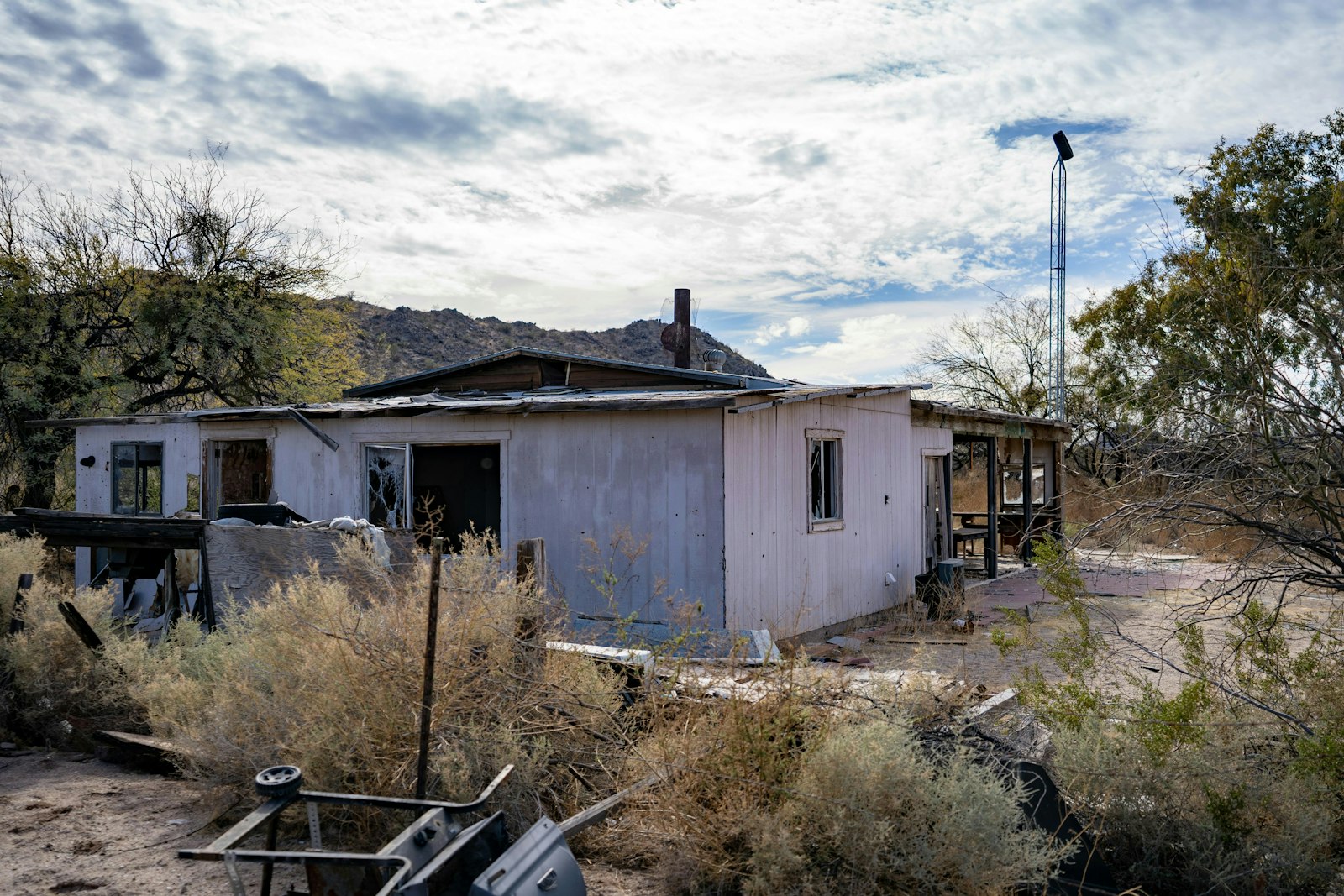
Can I Sell a House With Code Violations? (Yes — Here's How)
Open code violations don't block a sale — they just change who your buyer is and what needs to be disclosed. Here's how it actually works.
What Happens If I Ignore a Code Violation Notice From the City?
A code violation notice is easy to set aside when life is busy — but it does not expire on its own. Here's exactly what happens next if you do nothing.

I'm Behind on Property Taxes — What Are My Options?
Behind on property taxes and not sure what to do next? Here are the actual options on the table, in order of how fast they resolve things.

What Is a Tax Deed Sale and How Does It Affect Homeowners?
A tax deed sale is the one step in the property tax process that can actually cost you your home. Here's exactly what it is and how it works.

How to Find Out If Your Home Has a Tax Lien Against It
You don't need a lawyer or a paid service to check for a tax lien on your home. Here's exactly where to look.

Can I Sell My House If I Owe Back Property Taxes?
Owing back property taxes feels like it should block a sale — it doesn't. Here's exactly how the payoff works when you sell.

What Is a Tax Lien on a House — And How Do I Get Rid of It?
A "tax lien" on your property sounds alarming, but it's a specific, well-defined thing with a specific way to remove it. Here's what it actually is.

How Long Before the County Takes My House for Unpaid Taxes?
Falling behind on property taxes feels like a countdown to losing your home. Here's the real Florida timeline, step by step, and how much time you actually have.
Can I Stay in My Home During Foreclosure in Florida?
Yes, in most cases — Florida's judicial foreclosure process means you can typically stay in your home through the entire lawsuit, and often for a while even after. Here's exactly how long, and why.

What Happens to My Credit If I Go Through Foreclosure?
A foreclosure doesn't just cost you your home — it follows your credit report for years. Here's exactly how much it hurts, how long it lasts, and what you can still do to limit the damage.

Foreclosure vs. Short Sale — Which Is Worse for Your Credit?
They both mean you couldn't keep the house — but a foreclosure and a short sale hit your credit, your future loan eligibility, and your timeline very differently. Here's the real comparison.

What Is a Deficiency Judgment and Can My Lender Come After Me?
Losing the house isn't always the end of it — if it sells for less than you owed, your lender can still come after you for the difference. Here's what a deficiency judgment is and how to avoid one.

How Many Mortgage Payments Can I Miss Before Foreclosure Starts?
One missed payment won't cost you your home. Here's exactly how many payments you can miss, how many days that buys you, and what happens the moment your lender is legally allowed to start foreclosure.

What Is a Notice of Default? A Homeowner's Guide
Just received a Notice of Default or Breach Letter from your lender? Here's what it legally has to tell you, how much time you really have, and what happens if you ignore it.
Can I Sell My House After Foreclosure Has Been Filed?
A foreclosure lawsuit doesn't mean your house is already gone. In Florida, you can sell right up until the auction date — here's exactly how that works and which option gets you out fastest.

What Is a Lis Pendens and What Does It Mean for My Home?
If you've received a notice that a "Lis Pendens" was filed on your home, here's what that Latin term actually means, how it clouds your title, and — importantly — what options are still on the table.
What Happens If I Can't Pay My Mortgage in Florida? (2026 Guide)
Missing mortgage payments in Florida doesn't mean you're out of options. This guide walks you through exactly what happens — from your first missed payment all the way to the foreclosure auction — and what you can do at every stage to protect yourself.
No articles match your search.