 Bluebird
Radon in Your Home: What Sellers in NJ and CT Should Know
If a radon test just came back high, here's the first thing to know: it's one of the most manageable problems a house can have. Radon is a naturally occurring gas that the EPA estimates causes about 21,000 lung-cancer deaths a year in the United States — serious, but fixable, usually with a mitigation system installed in a day. Nearly 1 in 15 U.S. homes has radon at or above the level where the EPA recommends taking action. You can't see it, smell it or taste it, so most homeowners have no idea whether their house is one of them until a buyer's inspector sets a test canister in the basement.
If you're selling in New Jersey or Connecticut, radon is a disclosure issue and a negotiation issue, and the two states handle it differently. This guide lays out what each state requires, what the numbers on a test report mean, and how to keep a radon result from derailing a sale.
- Neither New Jersey nor Connecticut requires a radon test before you sell.
- In New Jersey, if the home has ever been tested, you must give the buyer the results and any mitigation records when the contract is signed.
- In Connecticut, known radon test results and any radon control system must be disclosed on the state disclosure form.
- The EPA recommends fixing a home at 4 picocuries per liter (pCi/L) or higher, and that number drives most buyer requests.
- Radon in well water is a separate issue; Connecticut uses an action level of 5,000 pCi/L for water.
What a radon number actually means
Radon is measured in picocuries per liter of air (pCi/L). The EPA and the Surgeon General recommend fixing a home at 4 pCi/L or higher. In practice, that's also the number buyers and their agents focus on. A 2.1 rarely gets more than a glance, while a 6.8 almost always leads to a request for mitigation or a credit.
Real estate transactions typically use short-term tests that run two to seven days, because nobody wants to wait three months. Long-term tests (91 days or more) give a better picture of year-round exposure but rarely fit a sale timeline.
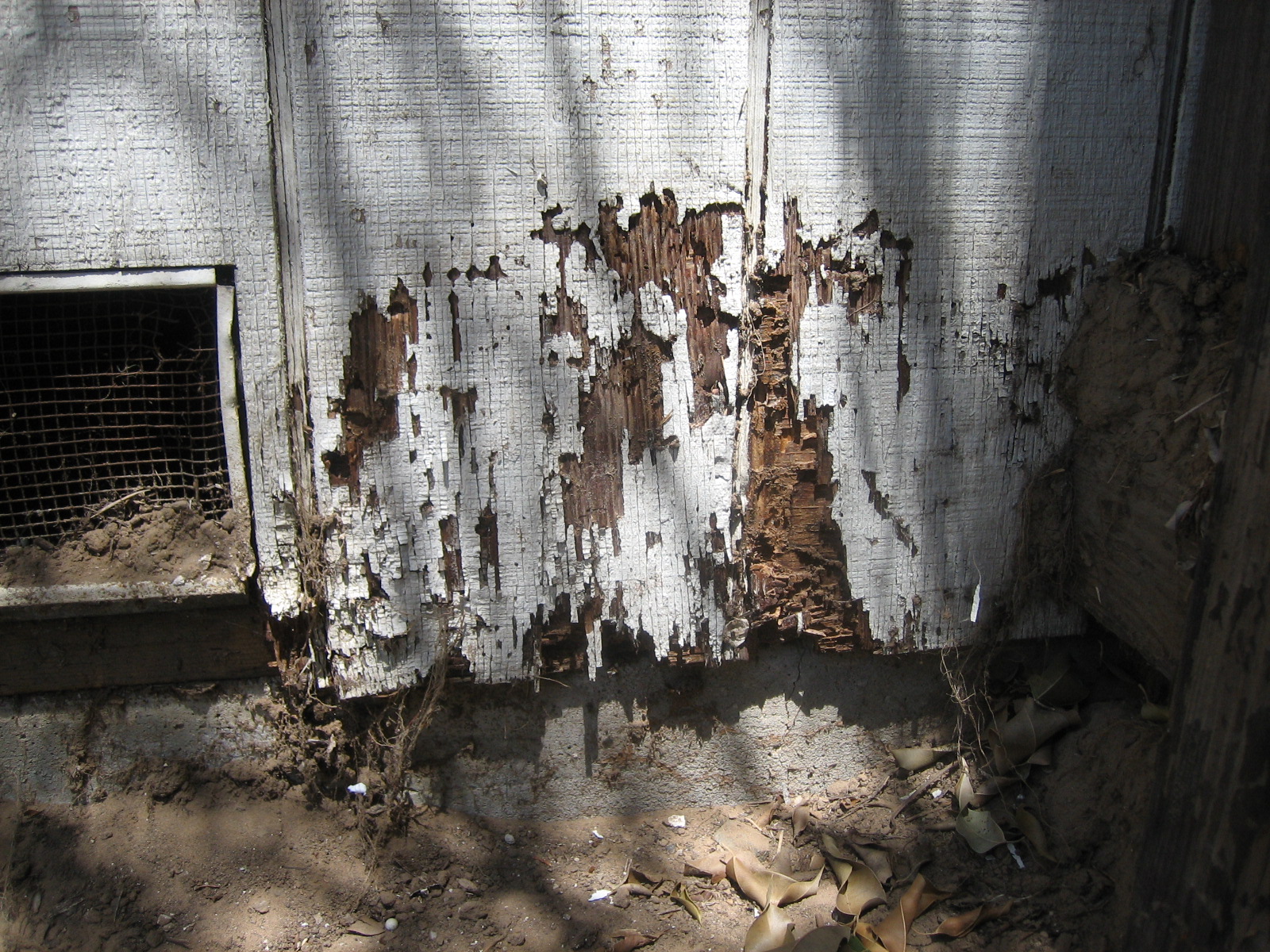
The standard fix is sub-slab depressurization: a pipe through the basement slab and a fan that draws soil gas out before it can enter the house. Consumer cost guides put a typical system at roughly $800 to $2,500, depending on the house. That's a cost-guide range, not a government figure, but it helps explain why radon, on its own, rarely kills a deal. It's one of the more fixable problems an inspection can turn up. Compare that with termite damage, where nobody knows the repair cost until the walls are opened.
New Jersey: you don't have to test, but you can't hold back results
New Jersey's rule is specific and easy to trip over. There's no requirement to test before selling. But under N.J.S.A. 26:2D-73, if the building has been tested, the seller must give the buyer a copy of the results, along with evidence of any mitigation, at the time the contract is signed. A buyer who contracts for their own testing also has a right to those results.
Before a contract exists, owners can keep results confidential. Once you sign, the paperwork has to go to the buyer. If you tested five years ago and the number was high, that report is part of your sale whether you mitigated or not. It's far better to have a mitigation invoice and a post-mitigation re-test sitting next to it.
A few other New Jersey points worth knowing:
- New Jersey requires radon testers and mitigators to be certified by NJDEP. If a buyer asks you to install a system, it has to be done by a certified mitigator.
- NJDEP classifies municipalities into radon potential tiers, with Tier 1 the highest. Buyers and inspectors in Tier 1 towns tend to pay closer attention to radon.
- New Jersey's Seller's Property Condition Disclosure Statement includes radon questions.
Connecticut: disclose what you know on the state form
Connecticut also doesn't require testing at sale. What it does require is disclosure. Sellers of one- to four-unit residential properties must disclose known radon test results and whether a radon control system is present on the state's Residential Property Condition Disclosure Report. If the report isn't provided, the buyer gets a $500 credit at closing.
The Connecticut Department of Public Health recommends testing homes statewide. That's worth taking seriously if you're selling a house that's been in the family for decades and has never been tested; it's common with inherited homes moving through Connecticut probate, where the heirs often have no idea of the house's history.
Connecticut is also where radon in water comes up most. Many homes in the state rely on private wells, and CT DPH uses an action level of 5,000 pCi/L for radon in well water, recommending that wells be tested at least once and ideally every five years. Water treatment systems work differently from air systems and usually cost more. If your home is on a well, our guide to selling a Connecticut home with bad well water covers the rest of that picture.
Quick notes for New York and Florida owners
This post is focused on New Jersey and Connecticut, but since we also buy in New York and Florida: New York has no statute requiring radon testing, and radon questions are handled through the Property Condition Disclosure Statement (mandatory since March 20, 2024). Florida requires specific "RADON GAS" notice language in at least one document at or before the contract (it's already in the standard Florida Realtors/Bar contracts), but it creates no testing or mitigation duty.
How radon results play out in a negotiation
The usual pattern is that the buyer tests during the home inspection period. If the result is at or above 4 pCi/L, the buyer asks the seller to install a system or give a credit. Who pays is entirely negotiable. Neither state assigns the cost to either side.
The bigger risk to your timeline is usually delay, not the cost. Mitigation, then a post-mitigation re-test, can add days or weeks, which is why radon often shows up alongside other inspection items in deals that stall before closing. If you already know you have an elevated reading, mitigating before listing and keeping the documentation ready takes the issue off the table.
Frequently Asked Questions
Do I have to test for radon before selling in New Jersey or Connecticut?
No. Neither state requires a pre-sale test. In New Jersey, any existing results and mitigation records must be given to the buyer when the contract is signed. In Connecticut, known results and any radon system go on the state disclosure form.
What radon level is considered a problem?
The EPA recommends fixing a home at 4 pCi/L or higher. Many buyers ask for mitigation or a credit at or above that level.
Who pays for radon mitigation, the buyer or the seller?
It's negotiable. Commonly, the buyer tests during the inspection period and the seller either installs a system or provides a credit. In New Jersey, the work must be done by an NJDEP-certified mitigator.
Can a radon result kill my sale?
Rarely on its own. Mitigation systems are standard and relatively affordable. The bigger risk is the delay while waiting for a re-test after the system goes in.
Does radon in well water matter too?
In Connecticut, yes. The state uses a 5,000 pCi/L action level for well water, and water systems are different from, and usually more expensive than, air systems.
Test Once, Disclose Honestly, and Move On
Radon sounds frightening, and the health data is real. But from a selling standpoint, it's one of the most manageable issues a house can have. Know your number, follow your state's disclosure rule, and have a plan (mitigate, credit or sell as-is) before a buyer's test result forces the conversation.
At Bluebird Acquisition, we buy New Jersey and Connecticut homes with elevated radon readings, including homes on wells with radon in the water, as-is. We don't need a post-mitigation re-test or a certified system installed before closing. We'll make a cash offer that accounts for it.
📞 Call or text us directly at 217-408-2781
🌐 bluebirdacquisition.com
This article is general information, not legal, financial, or tax advice. Laws, processes, and programs vary by state — consult a licensed attorney, CPA, or financial advisor before making decisions about a specific property.