 Bluebird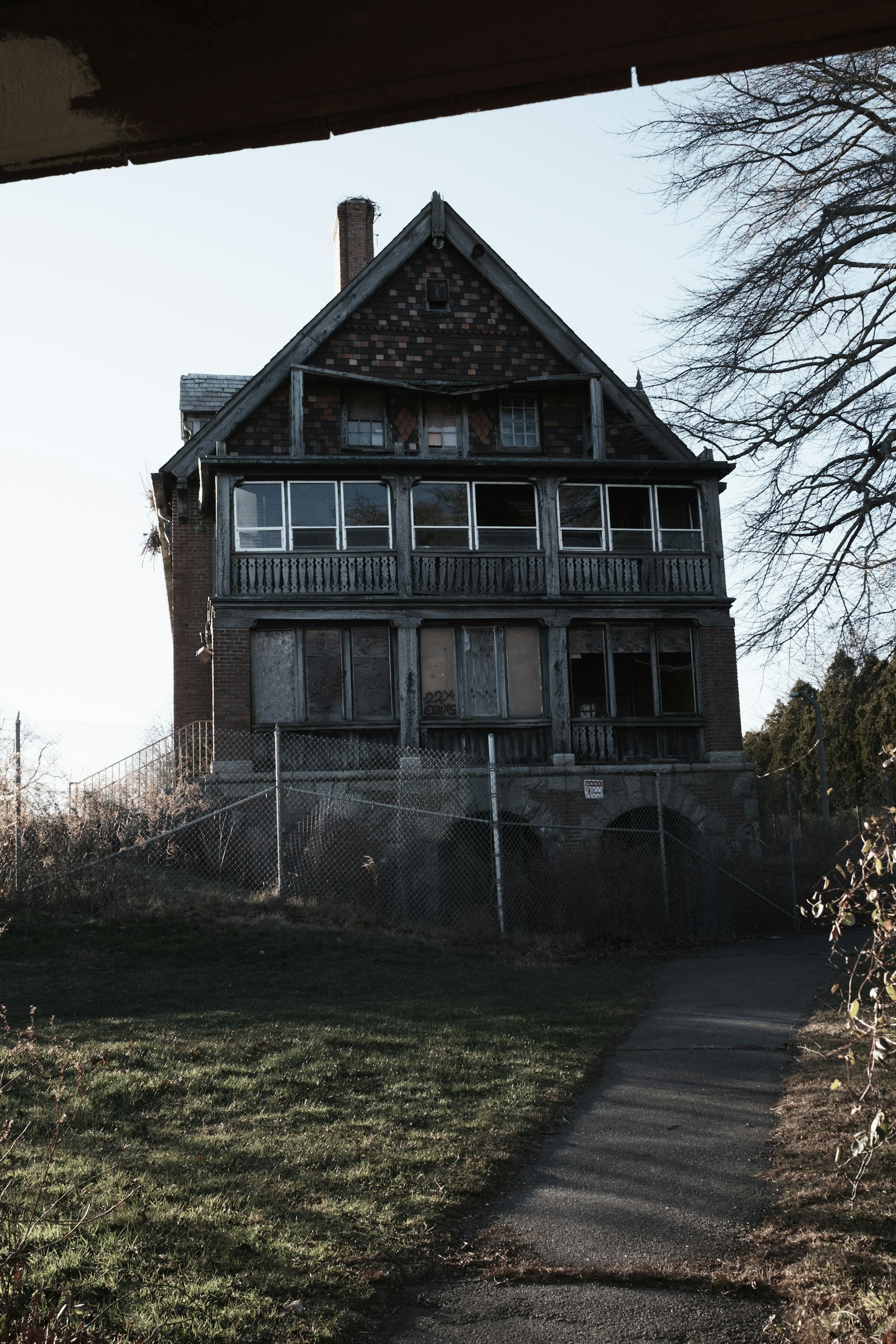
My House Was Condemned — Can I Still Sell It?
"Condemned" is one of the scariest words a homeowner can hear, but it doesn't mean the city has taken your property or that you've lost the right to sell it. A condemnation is a declaration about the building's safety — not a transfer of ownership. You still own the house, and you can still sell it.
- Condemnation means the building has been declared unsafe for occupancy — it does not mean the city has taken ownership of the property.
- You retain full ownership and the legal right to sell a condemned property, just as you would any other.
- Traditional, financed buyers generally can't purchase a condemned property — that market belongs almost entirely to cash investors.
- Selling as-is to a cash buyer is usually the fastest, most realistic path once a property has reached this stage.
What "Condemned" Actually Means
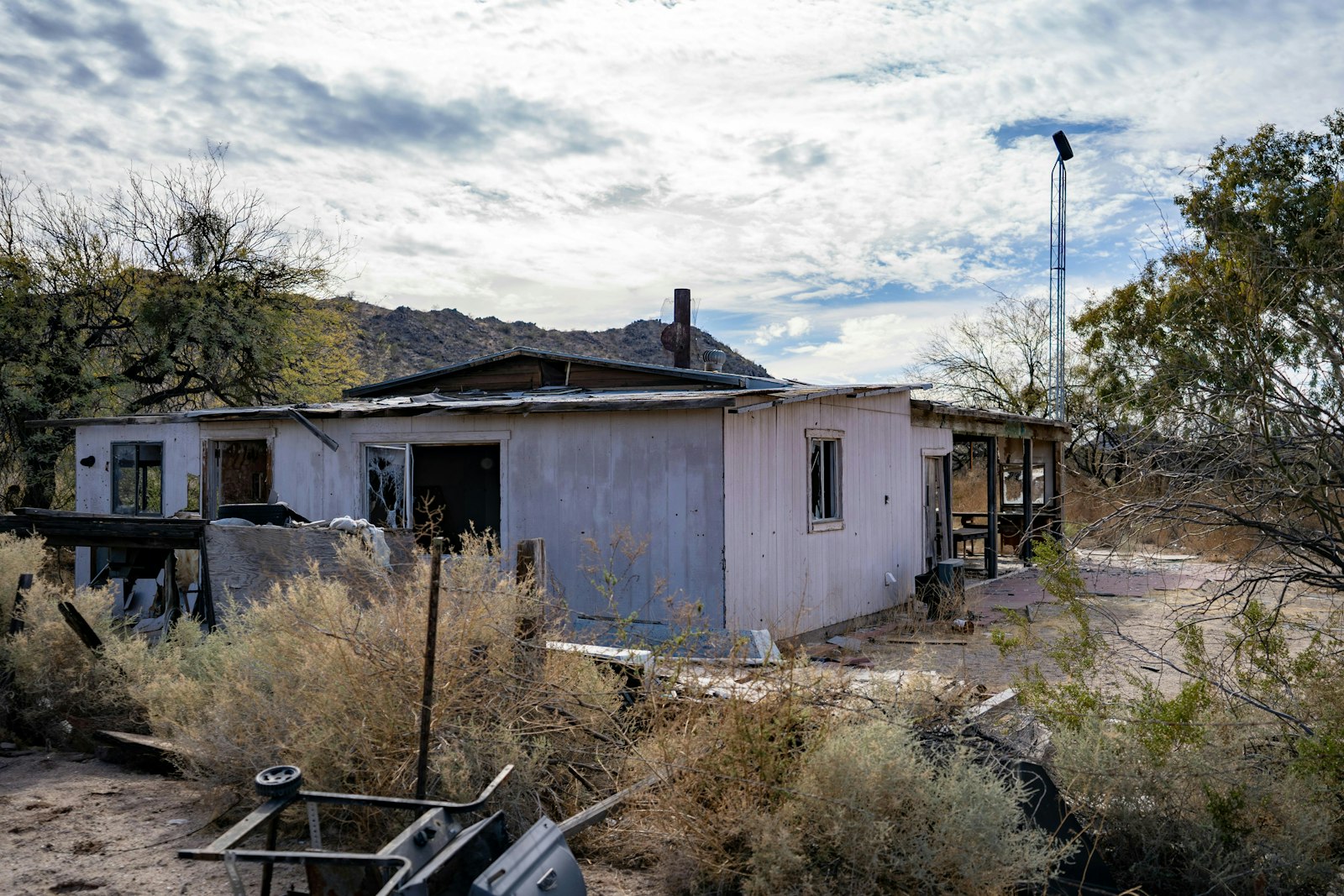
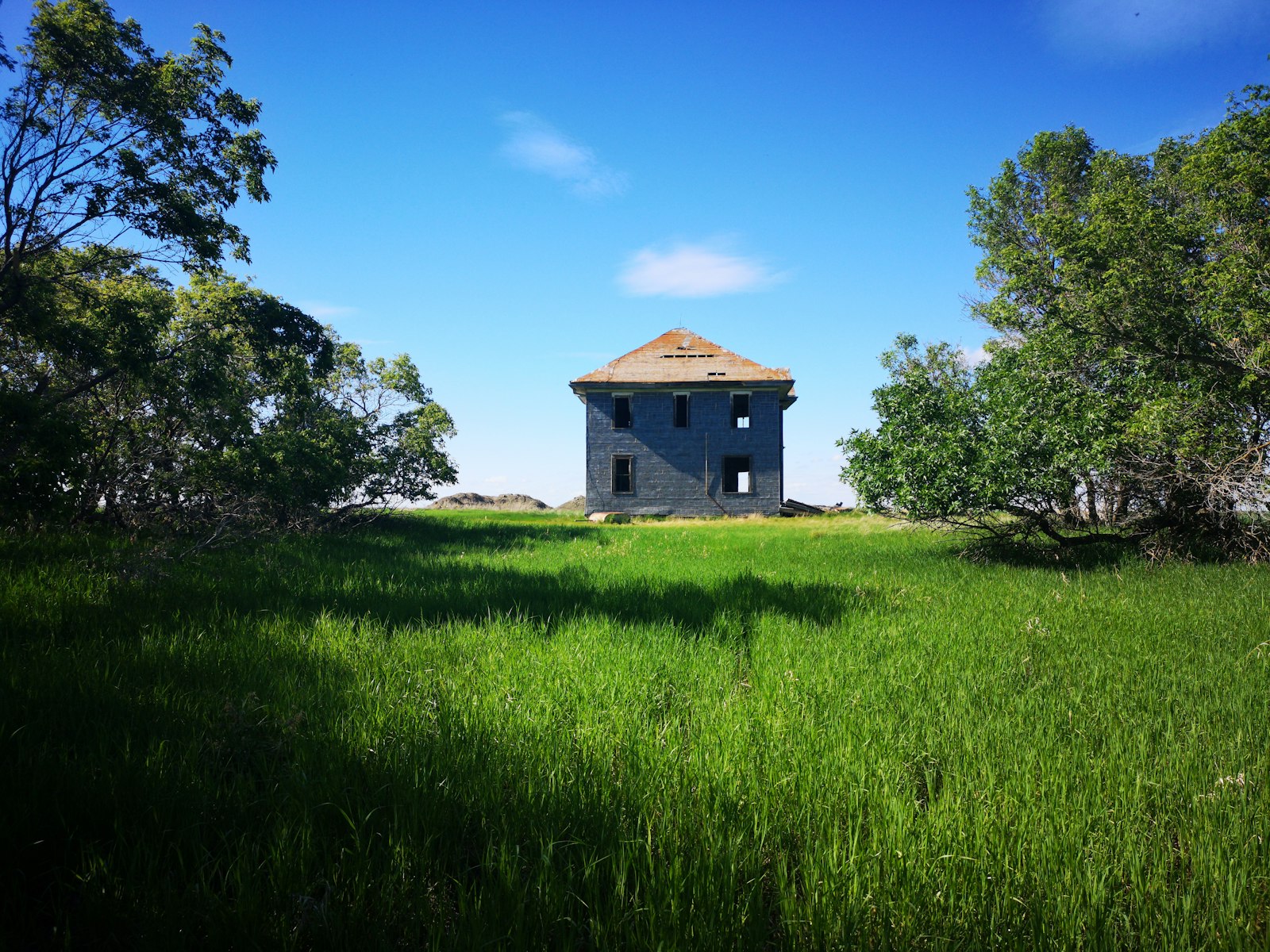
A condemnation notice is a formal declaration by the city that a structure is unsafe for people to occupy — typically due to structural failure, fire damage, severe code violations left unresolved, or a public health hazard. It usually comes with an order that the property be vacated. What it is not is a seizure of the property or a transfer of title. Ownership stays exactly where it was; only occupancy is restricted until the issues are resolved or the structure is dealt with.
Who Will Buy a Condemned House
Traditional financed buyers are essentially out of the picture here — no lender will approve a mortgage on a property that's currently unsafe to occupy. That leaves cash buyers and investors as the realistic market, and it's a market that exists specifically for this situation: buyers who purchase condemned or severely distressed properties as-is, factoring the repair or teardown cost into their offer.
What to Expect From the Sale Process
The condemnation status needs to be disclosed to any buyer — it will also typically surface in a title or municipal lien search if fines or liens accompanied the condemnation. From there, the sale itself works like any other cash, as-is transaction: the buyer takes on responsibility for the property's condition and whatever it takes to resolve the condemnation (repair, rehab, or demolition) after closing, and any outstanding fines or liens are settled out of the sale proceeds.
Frequently Asked Questions
Can the city take my condemned property from me?
Not simply for being condemned. In extreme cases where large fines and liens go entirely unresolved for years, a lien-related foreclosure is possible — but that's a distinct, much longer process, not an automatic consequence of condemnation itself.
Do I need to fix the property before I can sell it?
No. You can sell a condemned property exactly as it is — you just need a buyer prepared to take on that condition, which is exactly what cash investors specialize in.
How is this different from a house with regular code violations?
Condemnation is a more severe designation reserved for properties unsafe to occupy at all, usually reached after violations escalate — see how an ignored violation can eventually get to this point. A house with open violations that's still occupiable is a less severe, more common situation.
Condemned Doesn't Mean the End of the Line
A condemnation notice is meant to protect people from an unsafe structure — it's not meant to strip you of your right to sell that structure and move forward.
At Bluebird Acquisition, we buy condemned properties exactly as they are — no repairs required, and we handle any outstanding fines or liens at closing.
📞 Call or text us directly at 217-408-2781
🌐 bluebirdacquisition.com