 Bluebird
Can I Sell a House With Code Violations? (Yes — Here''s How)
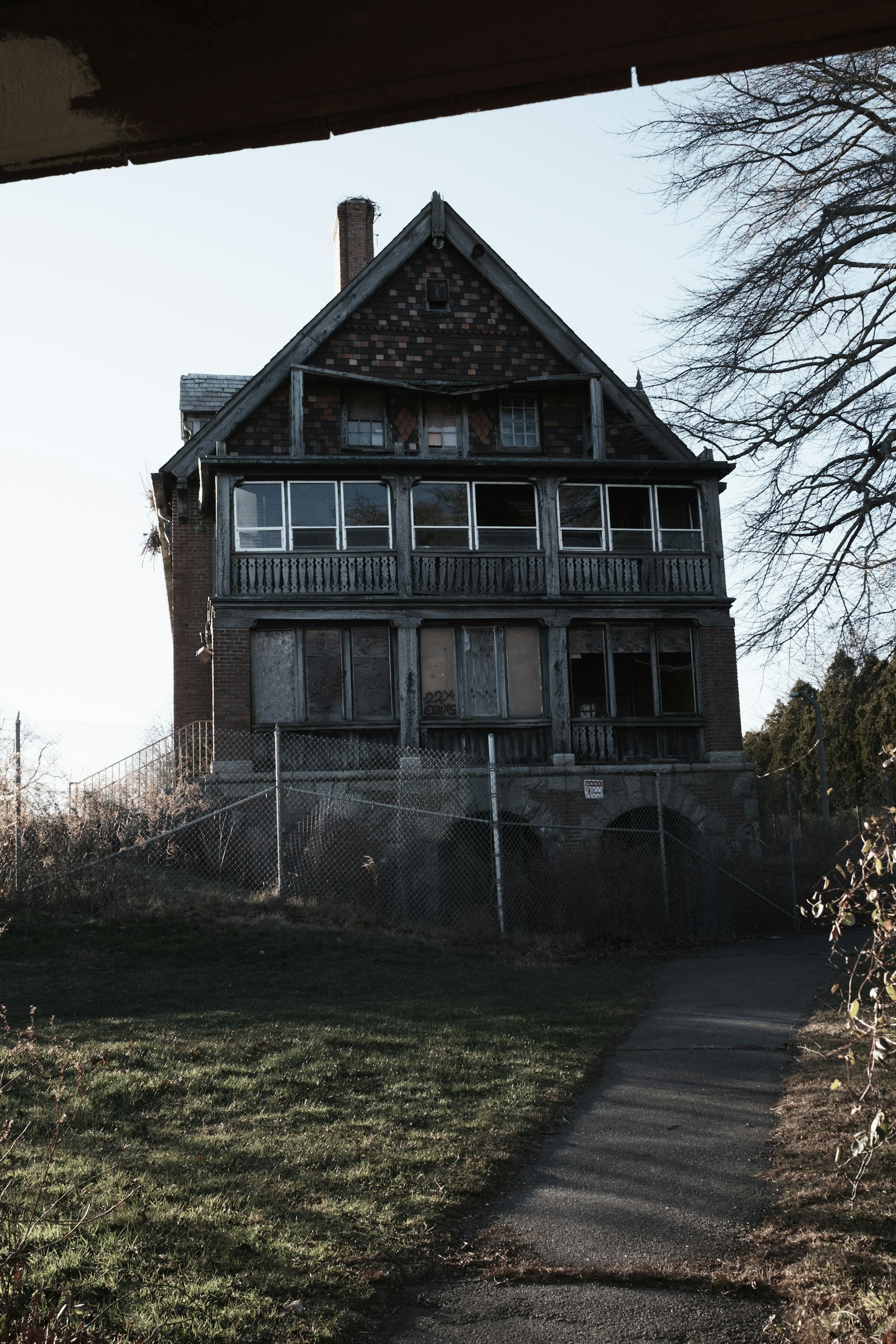
Yes — you can absolutely sell a house with open code violations. It's more common than most owners realize, and it doesn't require fixing everything first. What it does require is being upfront about what's open, and picking the right kind of buyer for the situation.
Here's exactly how a sale works when there are unresolved violations on the property.
- Code violations don't legally block a sale — they just need to be disclosed to the buyer.
- There are two realistic paths: cure the violations before listing with a traditional buyer, or sell as-is to a cash buyer who takes them on.
- Traditional, financed buyers almost always require violations resolved first — lenders won't approve a mortgage on a property with open code issues.
- A cash sale can close with violations still open, with the payoff or repair cost simply factored into the offer.
Disclosure Is Required, Not Optional
Every state requires sellers to disclose known material defects, and an open code violation counts. Trying to sell around it — hoping a buyer or their inspector won't notice — is how deals fall apart at the eleventh hour, or worse, how sellers end up facing a legal claim after closing. Disclosing upfront is what actually protects you.
Two Ways to Sell With Open Violations
Cure it, then list traditionally. If the repair is affordable and you have time, resolving the violation before listing opens up the full buyer pool, including financed buyers — lenders generally won't close on a property with an active code violation or lien.
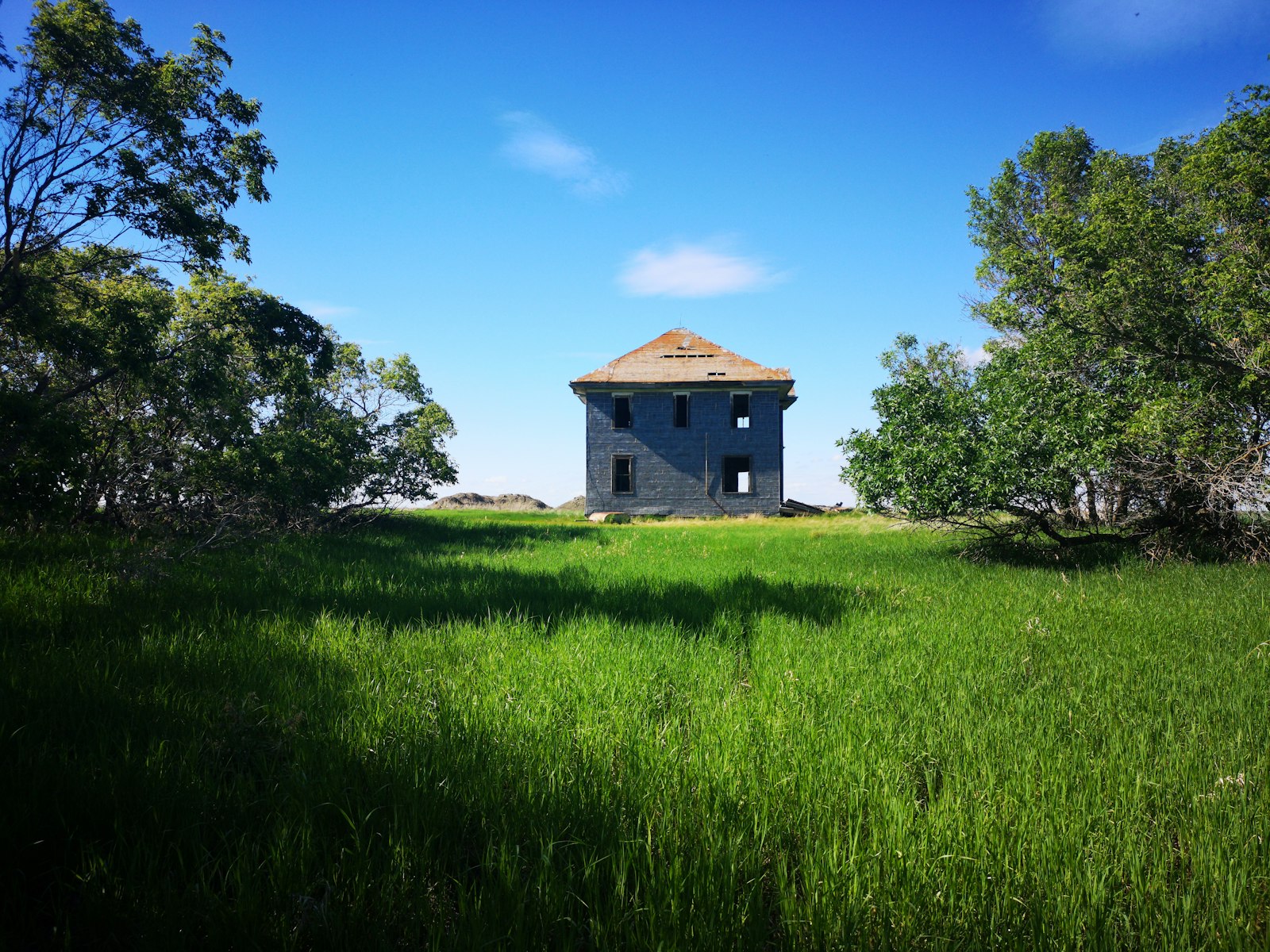
Sell as-is to a cash buyer. If repairs aren't realistic — financially or on your timeline — a cash buyer can purchase the property with the violation still open. The cost of curing it (or the outstanding fine) is simply built into the offer, and you walk away without doing any of the work yourself.
What Happens to the Violations at Closing
In a cash sale, the buyer typically takes over responsibility for resolving the violation after closing, and any recorded fine or lien tied to it is settled directly out of the sale — the same way an outstanding tax lien gets handled, which we cover in how unpaid city liens get paid off at closing. You're not left owing anything once the deal is done.
Frequently Asked Questions
Will a code violation kill my sale?
Not with the right buyer. It can complicate or kill a deal with a traditional, financed buyer, but it's a routine, expected part of the process for a cash buyer who specializes in as-is properties.
Do I have to fix the violation before I can even list the house?
No — there's no law requiring repairs before listing. You do need to disclose the open violation to any buyer, but the buyer decides whether they're comfortable taking it on.
Will I get less money for the house because of the violation?
Typically the offer reflects the cost of curing the violation, similar to how any needed repair affects price. But you also save the time, stress, and up-front cash of doing the repair yourself — for many owners that trade-off is worth more than the difference in price.
An Open Violation Is a Detail, Not a Dead End
Plenty of houses sell every year with active code violations attached — it just takes knowing which buyer pool actually works with that situation.
At Bluebird Acquisition, we buy houses with open code violations exactly as they are — no repairs, no cure required, and we handle the payoff at closing.
📞 Call or text us directly at 217-408-2781
🌐 bluebirdacquisition.com