 Bluebird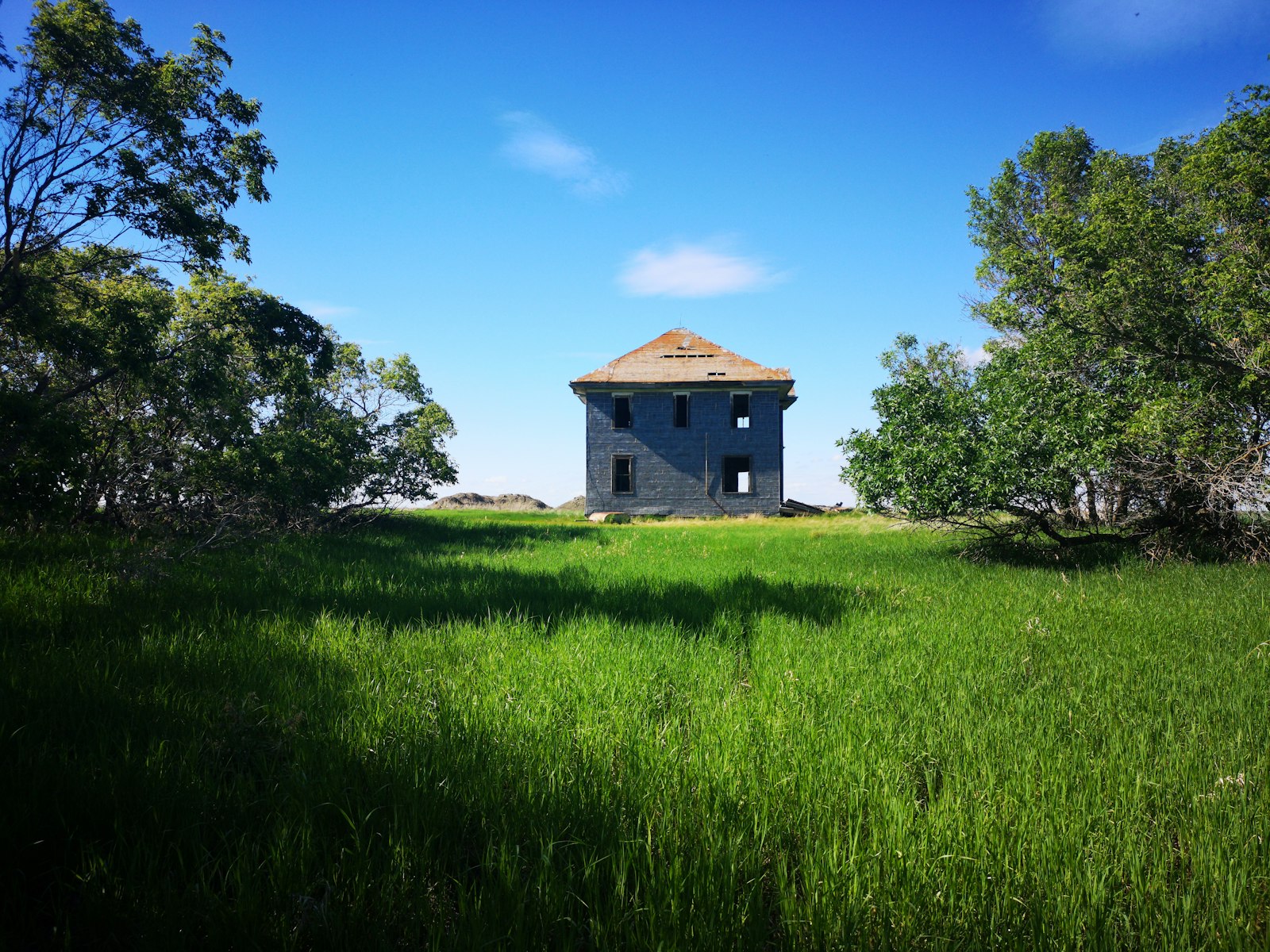
What Are the Most Common Code Violations That Lead to Fines?
Code violations can feel random when a notice shows up — but in practice, the vast majority of them fall into a handful of recurring categories. Knowing what inspectors are actually looking for makes it a lot easier to understand your own notice, or to spot a problem before it becomes one.
- Exterior and structural neglect — peeling paint, broken windows, roof damage — is the single most common category of violation.
- Overgrown lawns, accumulated debris, and inoperable vehicles are frequent, fast-to-cite issues, especially in cities with active nuisance ordinances.
- Unpermitted renovations or additions are a growing source of violations, often discovered years after the work was done.
- Safety and occupancy issues — missing smoke detectors, unsafe electrical work, illegal units — tend to draw the most serious enforcement response.
Exterior & Structural
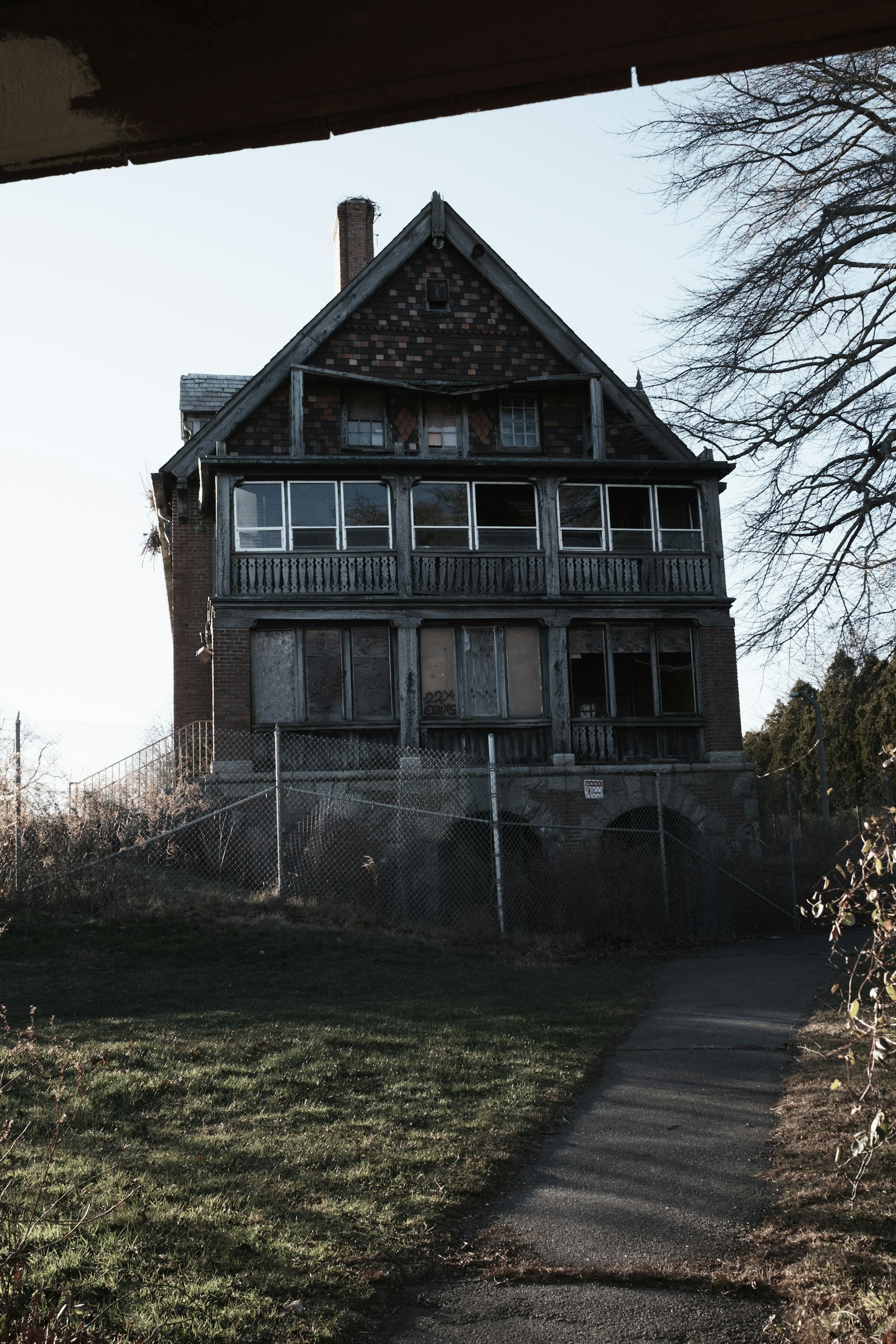
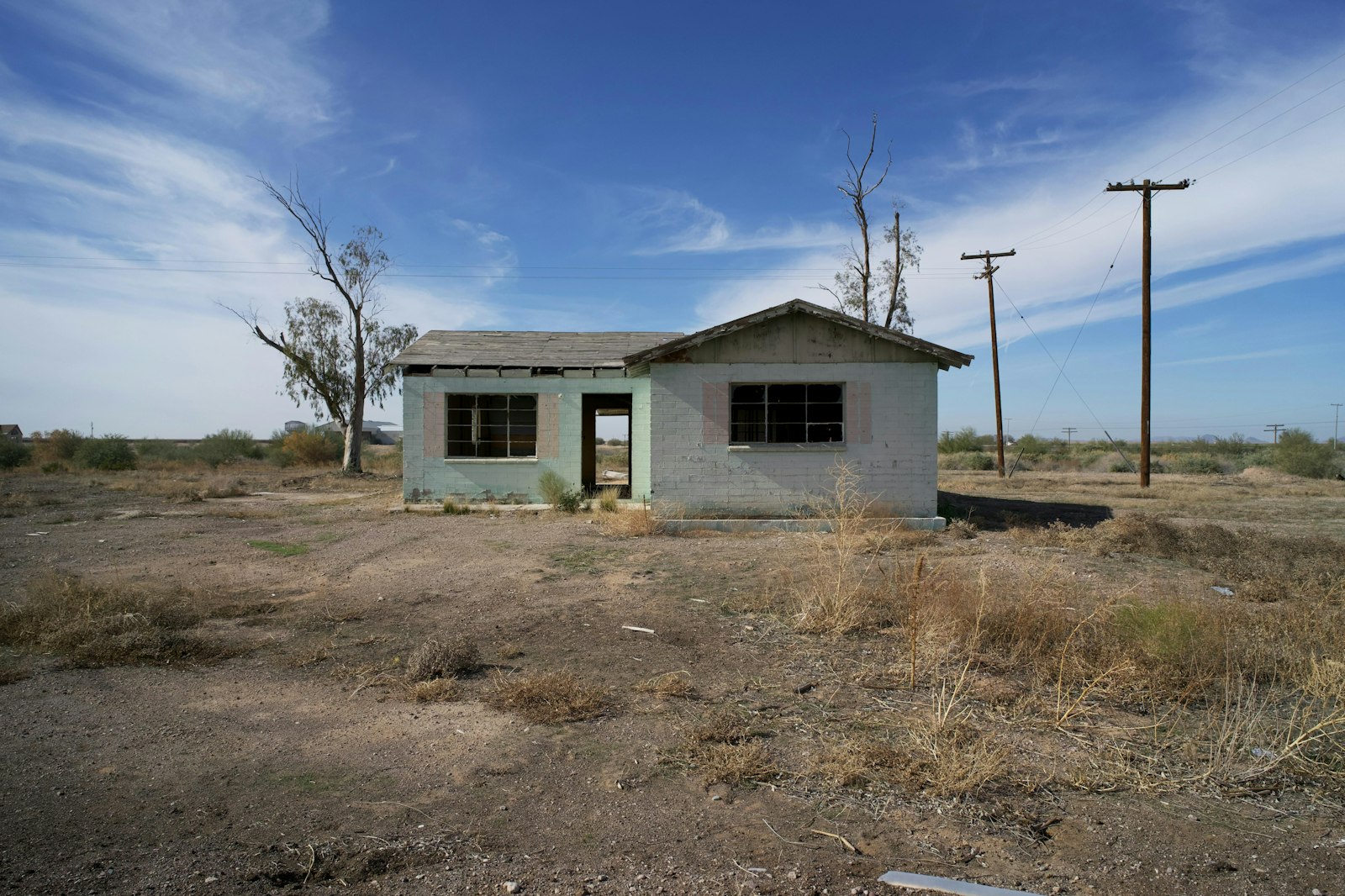
This is the category most owners think of first, and it's the most common by far: peeling or chipped exterior paint, broken or boarded windows, damaged or leaking roofs, crumbling steps or porches, and missing handrails. Cities cite these because they're visible from the street and directly tied to property maintenance codes.
Overgrowth & Debris
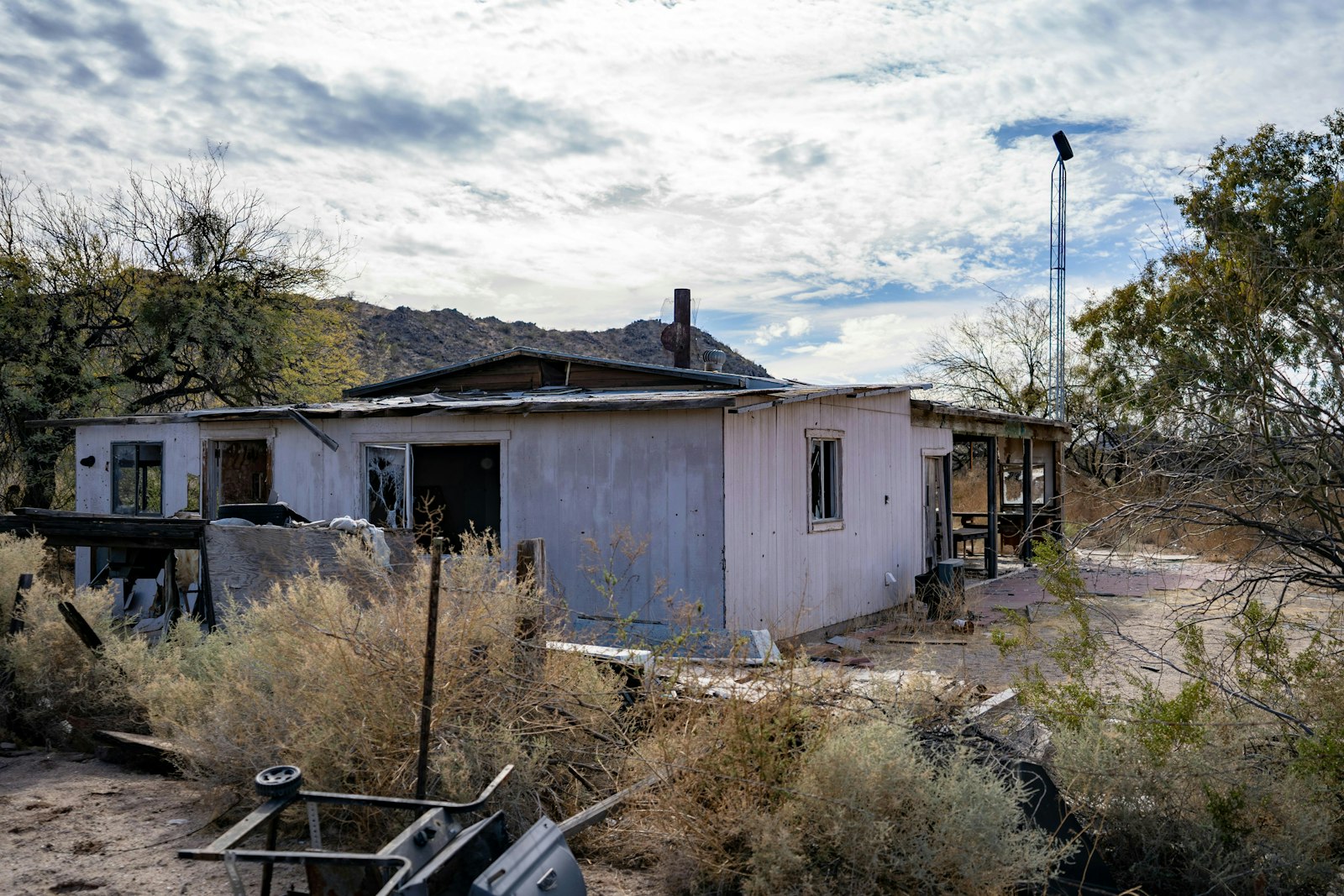
Tall grass and overgrown lots are one of the fastest violations to get cited — many cities have a specific height limit (often 10–12 inches) and issue notices quickly once it's exceeded. Accumulated trash, construction debris, and inoperable or unregistered vehicles parked on the property round out this category, and repeat offenses here often escalate faster than a first-time exterior issue.
Unpermitted Work
Additions, converted garages, finished basements, or electrical and plumbing work done without a permit are increasingly common violations — often discovered during an unrelated inspection, an insurance claim, or when a neighbor reports it. These can be some of the more expensive violations to resolve, since fixing them may mean bringing the work up to current code rather than just repairing what's there.
Occupancy & Safety Hazards
The most serious category: missing or non-functional smoke detectors, unsafe electrical wiring, structural instability, or illegal occupancy (like an unpermitted rental unit). These are the violations most likely to trigger an accelerated timeline, a formal hearing, or in extreme cases, a condemnation.
Frequently Asked Questions
What's the fastest way to find out exactly what my violation is?
Your notice should cite the specific code section violated, but if it's unclear, call the code enforcement department directly and ask for the inspector's notes — they can usually explain exactly what needs to change.
Are these violations different from HOA violations?
Yes — code violations come from the city or county and carry legal weight (fines, liens, court). HOA violations come from a private association and are enforced through the HOA's own rules, though both can result in fines.
Can one violation lead to inspectors finding others?
It can. A visit prompted by one issue sometimes surfaces others the inspector notices while on-site — which is part of why unresolved violations are worth addressing directly rather than hoping they stay isolated.
Knowing the Pattern Makes the Fix Clearer
Most violations aren't unusual or unique to your property — they're the same handful of issues cities see constantly, which also means there are well-worn paths to resolving them.
At Bluebird Acquisition, we buy houses with any of these violations open — exterior damage, unpermitted work, safety citations — exactly as they sit.
📞 Call or text us directly at 217-408-2781
🌐 bluebirdacquisition.com