 Bluebird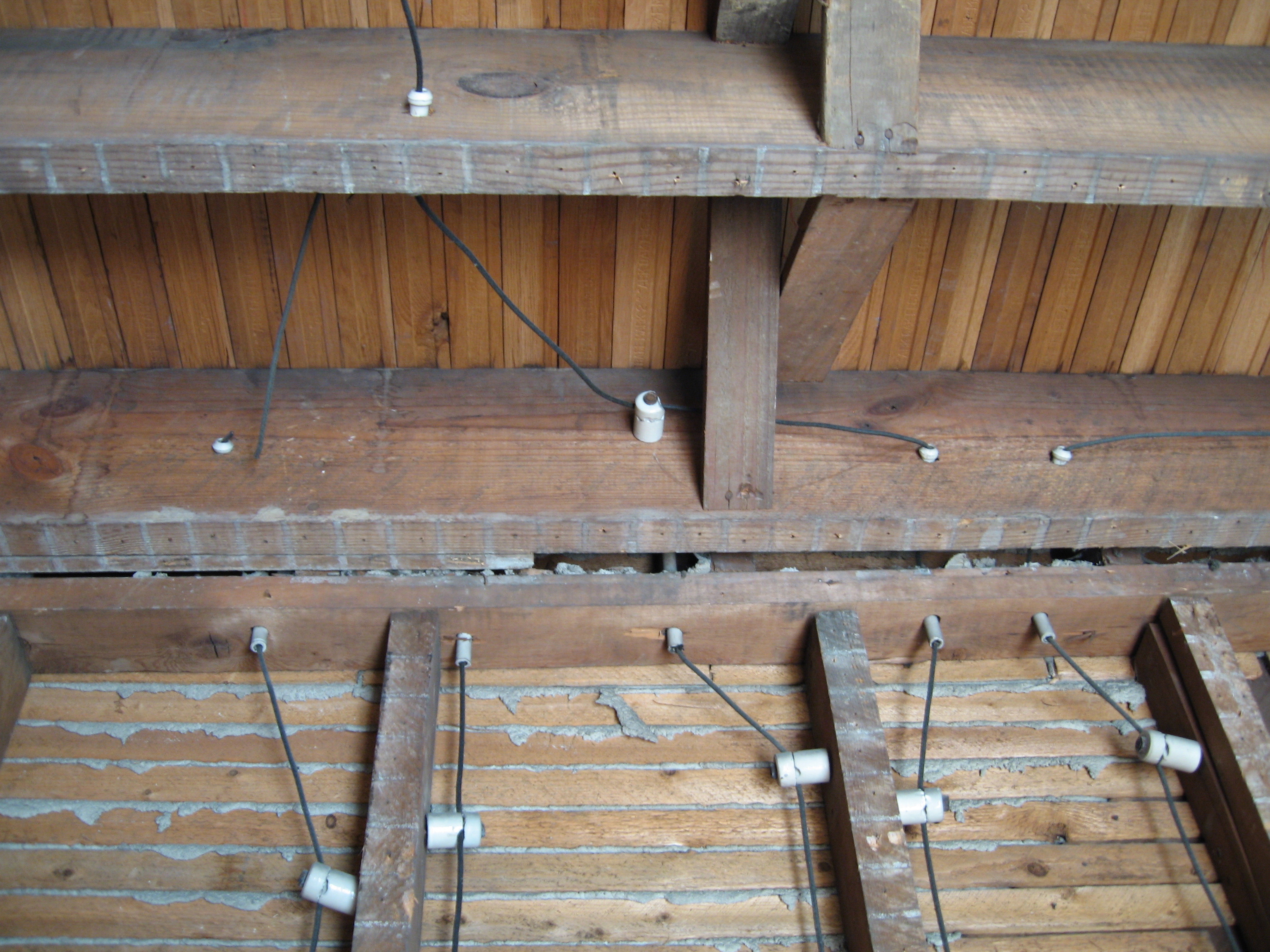
Knob-and-Tube Wiring: Can You Sell an Older Home With Outdated Electrical?
Yes. Knob-and-tube wiring is not illegal to own or to sell in Florida, New Jersey, Connecticut or New York, and no state among the four requires you to rewire before you list. But that "yes" comes with a catch that surprises a lot of sellers: the obstacle isn't the law, it's the buyer's insurance company. And if a buyer can't get a homeowners policy, their lender won't fund the loan.
So a wiring question quietly becomes a financing question. This post lays out why insurers react the way they do, how each state's point-of-sale rules do (and don't) touch your electrical system, and the realistic options for getting an older house sold.
- None of our four states prohibits selling a home with knob-and-tube wiring, and existing systems are generally grandfathered until the wiring is altered.
- The real pressure comes from insurers, who may surcharge, require replacement within a set window, or decline to write a policy, and no insurance usually means no mortgage.
- Florida's insurance 4-point inspection is where active knob-and-tube most often becomes a hard stop.
- NJ's smoke/CO certificate and the CT and NY smoke/CO affidavits deal with alarms, not wiring, but CT and NY disclosure forms do ask about electrical problems.
- A full rewire commonly runs into five figures, which is why many sellers either get a quote to show buyers or sell as-is to a cash buyer who plans to rewire.
What knob-and-tube is, and why it's still in so many older homes
Knob-and-tube (often shortened to K&T) is an early electrical system found mostly in homes built before roughly the 1940s and 1950s. Wires run through porcelain tubes in framing and are held away from wood by porcelain knobs. The system is ungrounded, and its old insulation breaks down over time. Decades of remodeling haven't helped: in many houses, sections were later buried under insulation or spliced into newer circuits in ways the original design never anticipated.
It's most common in the Northeast. Much of upstate New York and New York City is pre-war housing, as are many older towns in New Jersey and Connecticut. Florida has the fewest K&T homes of the four states, since most of its housing is newer. But as you'll see, when K&T does turn up in Florida, it's the hardest to insure.
A quick note on the law: existing K&T is generally treated as grandfathered. It isn't automatically "illegal," but once you alter or extend the wiring, current code usually applies to the work. Your local building department or a licensed electrician can tell you exactly where that line falls in your town.
Why the insurance company, not the building code, decides your buyer pool
Insurers look at knob-and-tube and see an older, ungrounded system that's hard to evaluate from the outside. Their typical responses are to surcharge the premium, require replacement within a set window, or decline to write the policy at all. Insurers tend to lump K&T in with a handful of other "hard flags": Federal Pacific (Stab-Lok) panels, some Zinsco panels, cloth-insulated wiring and polybutylene plumbing.
Here's why that matters to you as a seller. A buyer using a mortgage has to show proof of homeowners insurance before closing. If they can't get a policy, or can only get one at a price that blows up their budget, the loan doesn't close, no matter how much they love the house. That's how an electrical detail can end a sale in the last two weeks.
Cash buyers and investors sit outside that chain. They don't need a lender's approval, they can shop insurance on their own terms or rewire before placing a long-term policy, and they price the rewire into their offer from day one.
How each state handles electrical issues at the point of sale
- Florida: insurers commonly require a 4-point inspection (roof, electrical, plumbing and HVAC) before writing a new policy on an older home. The age threshold varies by carrier, often somewhere around 30 to 40+ years. Active K&T is widely reported to be a deal-breaker for most standard Florida carriers. If you're also dealing with an aging roof, our guide to selling a home with a failing roof covers the other half of the 4-point problem.
- New Jersey: there's no statewide electrical inspection at sale. Every resale needs a Certificate of Smoke Alarm and Carbon Monoxide Alarm Compliance from the local fire official, but that inspection checks alarms, not wiring. (The portable fire-extinguisher requirement for one- and two-family homes was repealed effective February 3, 2025.) Many NJ towns also run a separate Certificate of Continued Occupancy resale inspection, which may flag obvious electrical hazards, and that varies town by town.
- Connecticut: no point-of-sale electrical inspection. The seller provides a smoke and CO detector affidavit at closing, and since October 1, 2023, the old $250-credit alternative is gone. The mandatory disclosure report asks about electrical system problems.
- New York: no statewide point-of-sale electrical inspection. A smoke/CO affidavit is filed at closing (in NYC, with the transfer tax returns and deed). The Property Condition Disclosure Statement, mandatory since March 20, 2024, asks about electrical defects.
Bottom line: if you know your house has active K&T, disclose it. In Connecticut and New York the form asks directly, and in every state the buyer's home inspection is likely to find it anyway. If previous owners did DIY electrical work, our guide on houses with unpermitted work is worth a read too.
Rewire first, get a quote, or sell as-is?
Industry estimates for a full rewire run roughly $10 to $20 per square foot, or about $12,000 to $36,600 for a typical home. Treat those as rough contractor-marketing ranges, not quotes. Plaster walls, finished ceilings and difficult access can push the real number higher.
Sellers generally take one of three routes:
- Rewire before listing. This opens the door to every kind of buyer and removes the insurance question. It makes sense if you have the cash, the time, and a house that's otherwise in good shape.
- Get an electrician's evaluation and written quote. This doesn't fix anything, but it turns an unknown into a number. Buyers negotiate far more calmly over "$22,000 per this quote" than over "who knows."
- Sell as-is to a cash buyer. The buyer prices in the rewire and handles it after closing, so there's no insurer or lender that has to sign off first.
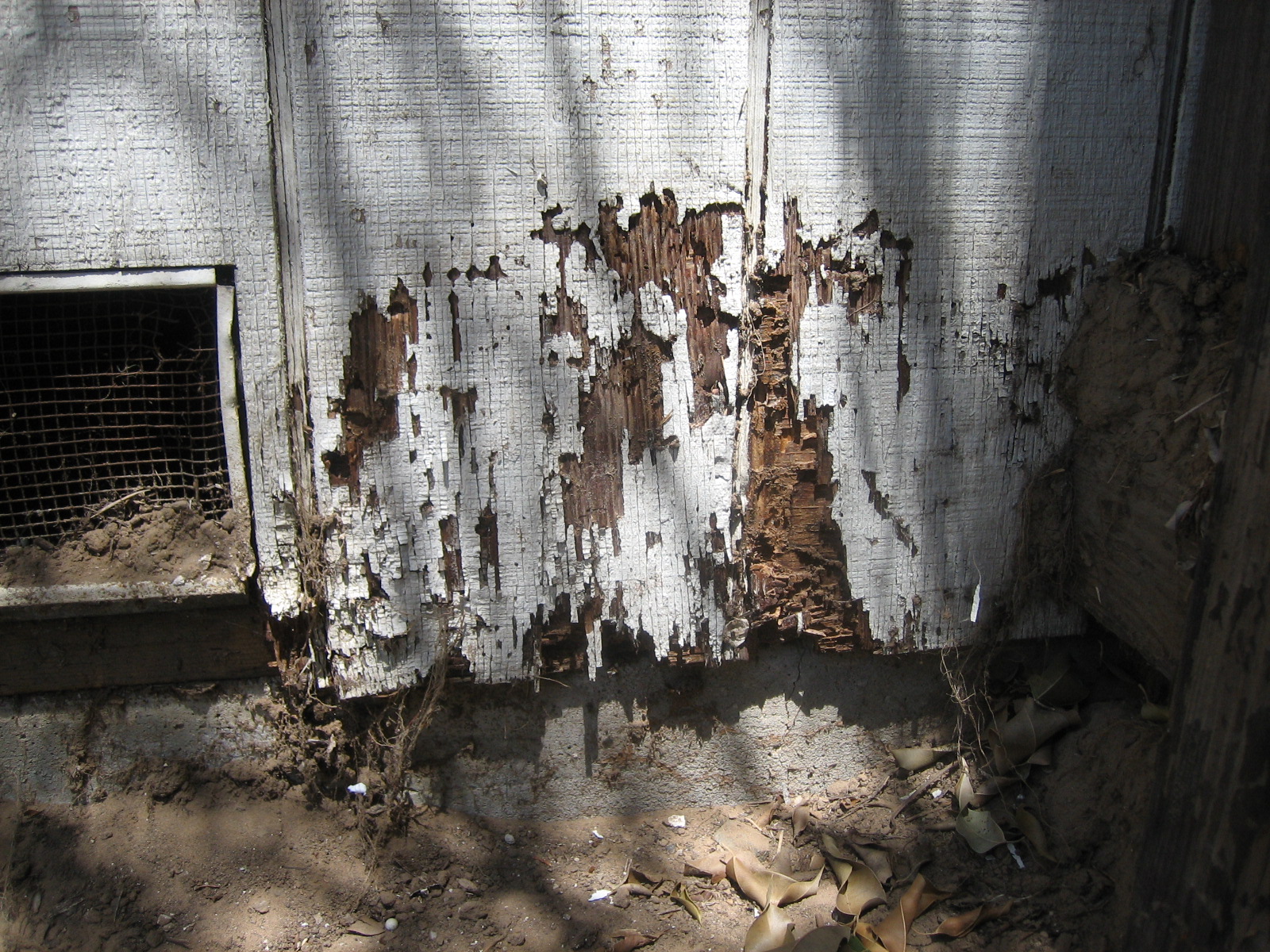
Knob-and-tube turns up most often in long-held family homes. Many owners downsizing after decades in the same house discover K&T only when a buyer's inspector opens the attic. That same inspection often turns up other age-related problems, such as termite or pest damage in old sills and framing.
Frequently Asked Questions
Is it illegal to sell a house with knob-and-tube wiring?
No. Florida, New Jersey, Connecticut and New York all allow it. The practical issue is that many insurers won't write a new policy on a home with active K&T, and lenders require insurance to close.
Do I have to rewire my house before I list it?
No state requires it. Your price and your pool of buyers will reflect it, though. Some sellers get an electrician's quote to give buyers certainty, and others sell as-is to a buyer who plans to rewire.
Will the NJ smoke and CO inspection catch my old wiring?
No. That inspection covers smoke and carbon monoxide alarms. Some New Jersey towns run a separate resale CCO inspection that may note visible hazards, so check with your municipality.
How do buyers usually find out about knob-and-tube?
Through the home inspection, and in Florida through the insurance 4-point inspection. In Connecticut and New York, the disclosure forms also ask about known electrical problems.
Old Wiring Is an Insurance Problem, Not a Verdict on Your House
A house with knob-and-tube wiring can still be a well-built, well-loved house with plenty of value in it. What it has is a narrower list of buyers who can close on it with a standard mortgage. Once you see it that way, the choice becomes practical: spend the money to widen that list, or sell to someone who doesn't need an insurer's blessing.
At Bluebird Acquisition, we buy older homes with knob-and-tube, cloth wiring, outdated panels and other insurance "hard flags" as-is. There's no rewire required before closing and no waiting on a 4-point inspection or an underwriter's approval. We make a cash offer based on the house as it stands today.
📞 Call or text us directly at 217-408-2781
🌐 bluebirdacquisition.com
This article is general information, not legal, financial, or tax advice. Laws, processes, and programs vary by state — consult a licensed attorney, CPA, or financial advisor before making decisions about a specific property.